

Morrillia is a historical name associated with a North American gomphothere molar from Nebraska. Osborn first named the species Tetralophodon barbouri and then proposed Morrillia as a subgenus. Some later accounts used it as a separate genus. A 2011 revision placed the type material in Stegomastodon mirificus. The cover shows a generalized gomphothere, not a specimen reconstructed from a complete Morrillia skeleton.
The naming history is better documented than the animal's unique appearance. One molar cannot establish its tusk count, body size or coat.
Quick facts
| Original species | Tetralophodon barbouri Osborn, 1921 |
|---|---|
| Subgenus | Morrillia Osborn, 1924 |
| Later usage | Morrillia barbouri |
| 2011 treatment | Junior synonym of Stegomastodon mirificus |
| Type locality | Cambridge area, Furnas County, Nebraska |
| Type evidence | Upper molar |
| Type age | Pliocene; broader old ranges do not date this tooth |
What can the fossils tell us?
The Nebraska upper molar can be compared by ridges, cusps and cement. It does not preserve tusks, skull or limbs.
Osborn introduced the species in Tetralophodon in 1921 and Morrillia as a subgenus in 1924. Later lists sometimes raised the latter to genus rank.
Tobien considered the tooth a Stegomastodon in 1973. A 2011 review agreed and synonymized the old species with S. mirificus.
A name tied to an upper molar
Henry Fairfield Osborn described barbouri in 1921 under Tetralophodon. He introduced Morrillia as a subgenus in 1924. These were changes in the classification of the Nebraska material, not discoveries of two complete skeletons. A 2005 classification still listed Morrillia barbouri among tetralophodont gomphotheres with uncertain family placement.
The type locality is near Cambridge in Furnas County, Nebraska. Its Pliocene age should not be stretched into a precise lifetime for a distinct genus. The related Stegomastodon profile provides the broader material used for comparisons.
What the crown can and cannot show
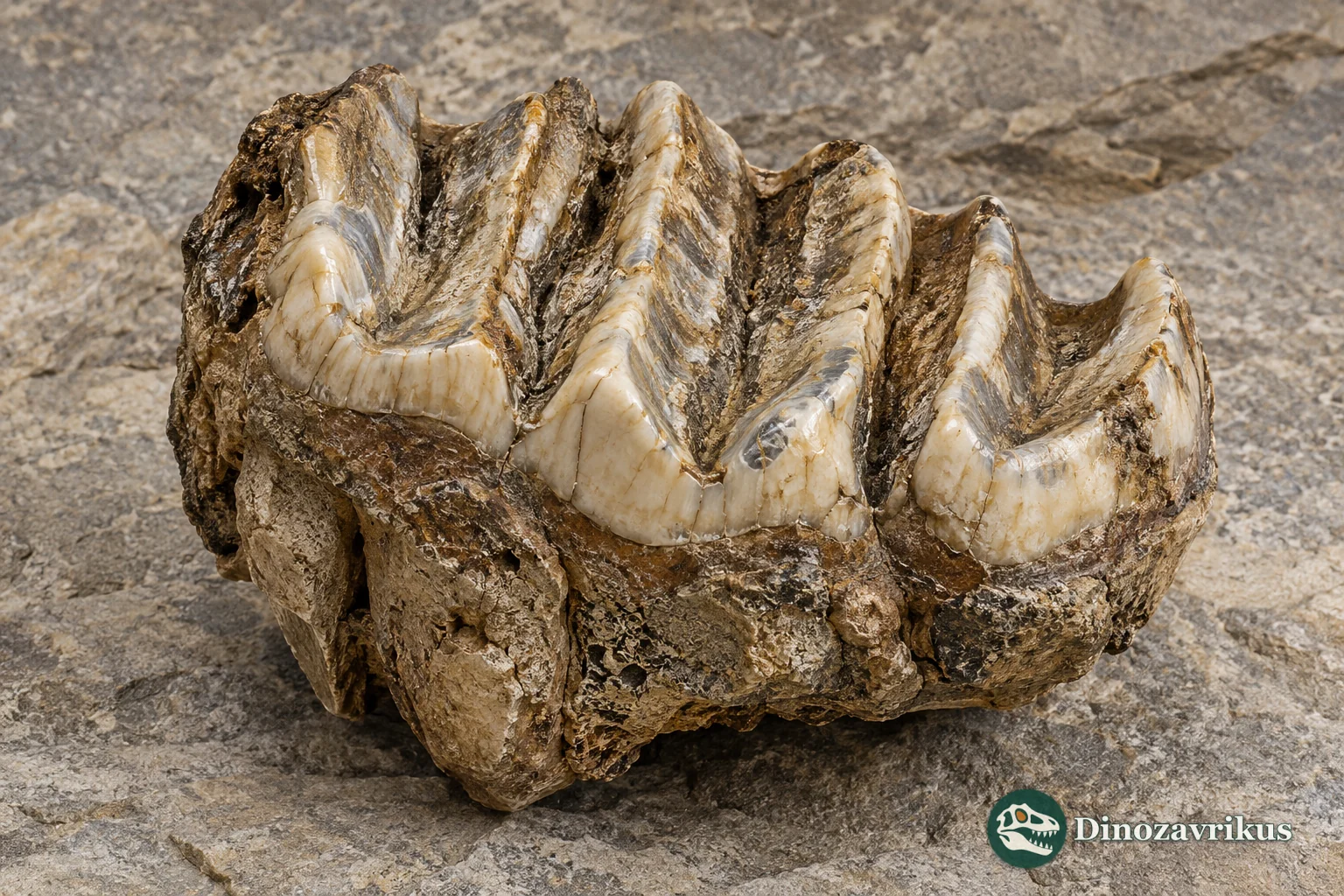
Gomphothere cheek teeth bear transverse ridges made of cusps. Crown height, ridge form, accessory cusps and cement can inform comparisons, but wear and a tooth's position in the jaw change its appearance. Older work emphasized the tall crown and heavy cement of the tooth called Morrillia. Neither feature alone proves a unique genus.
Tobien examined the type in 1973 and considered it Stegomastodon. Lucas and colleagues agreed in a 2011 revision, placing M. barbouri in the synonymy of S. mirificus. That conclusion rests on dental comparison, not a newly found complete Morrillia body. Gomphotherium shows a related but distinct name whose dental and skeletal material must be evaluated on its own.
Reconstruction and geographic limits
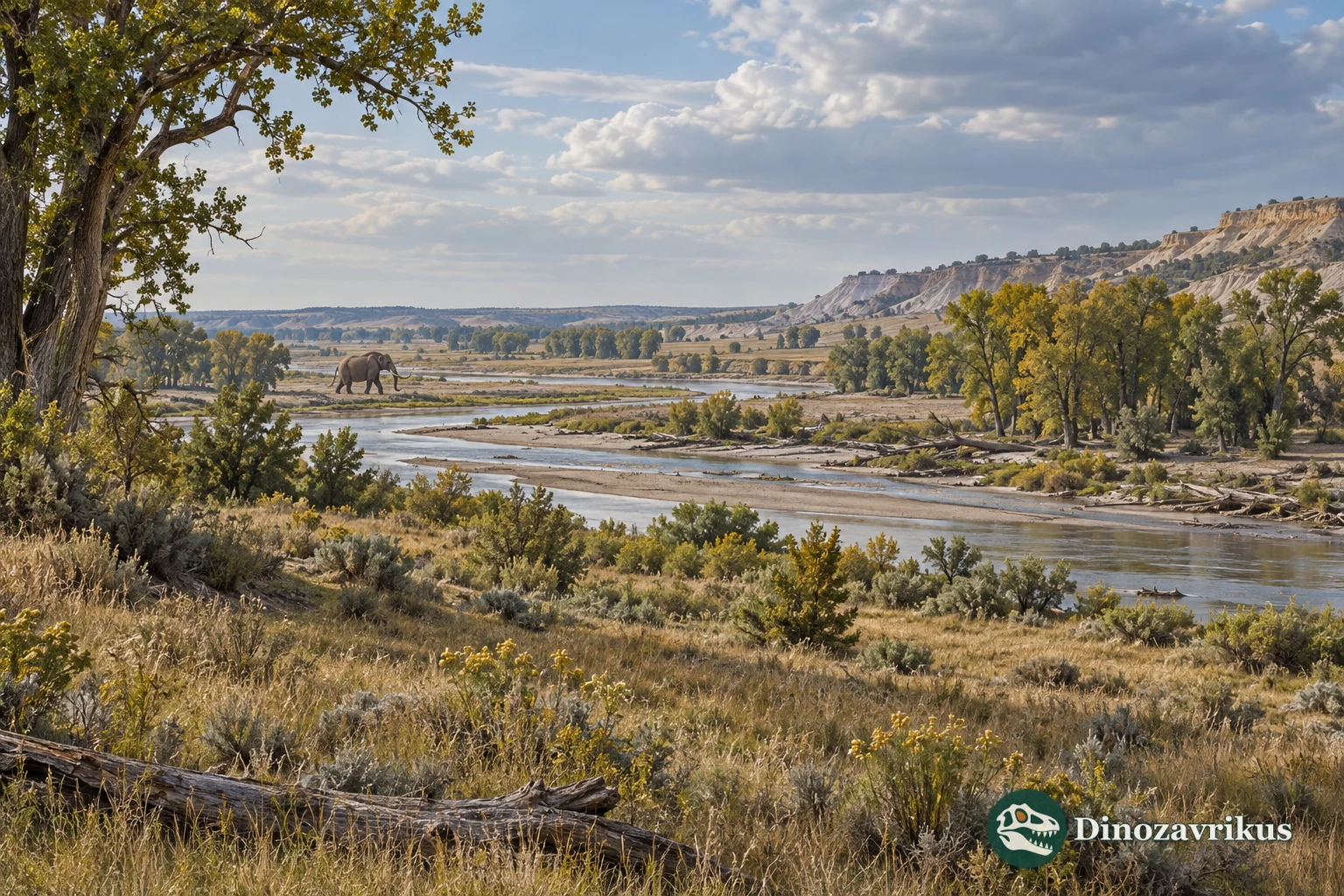
A molar does not disclose the number of tusks, full skull profile, leg length or body mass of the type individual. The familiar trunk and large herbivore body are informed by better known relatives, while color and local behavior remain art. The separate Notiomastodon story illustrates how old proboscidean names can be reconsidered after comparisons of diagnostic material.
A generalized open landscape can suggest context for a North American gomphothere, but it is not a map of the Cambridge type locality. Dates from other fossils and historical genus lists must not be used as exact first or last appearances of this tooth-based name.
Frequently asked questions
Is Morrillia a valid separate genus?
A 2011 revision referred its type to Stegomastodon mirificus and treated Morrillia as a synonym.
What fossil founded the name?
The historical species was based on an upper molar from the Cambridge area of Nebraska.
How many tusks did it have?
The type molar cannot establish tusk number for the individual.
Why not use a precise extinction date?
One tooth dates a particular occurrence, while the proposed separate genus itself has been revised.