

Neuquenornis volans lived in northern Patagonia during the Late Cretaceous. Its partial skeleton preserves bones of the wing, shoulder and foot. The combination led its describers to infer that the bird could sustain active flight and curl its toes around a perch.
Quick facts
| Group | Enantiornithines |
|---|---|
| Age | Late Cretaceous (Santonian in current accounts of the formation) |
| Region | South America (Neuquén Province, Argentina) |
| Diet | No direct evidence |
| Type species | Neuquenornis volans |
| Holotype | MUCPv-142, an articulated partial skeleton |
| Geological unit | Bajo de la Carpa Formation |
| Preserved material | Back of the skull, parts of the wings and shoulder girdle, vertebrae and hind limbs |
What can the fossils tell us?
The front of the breastbone bears a deep keel. The bones show where flight muscles could attach. Feather impressions would be needed to reconstruct the outlines of the wings precisely.
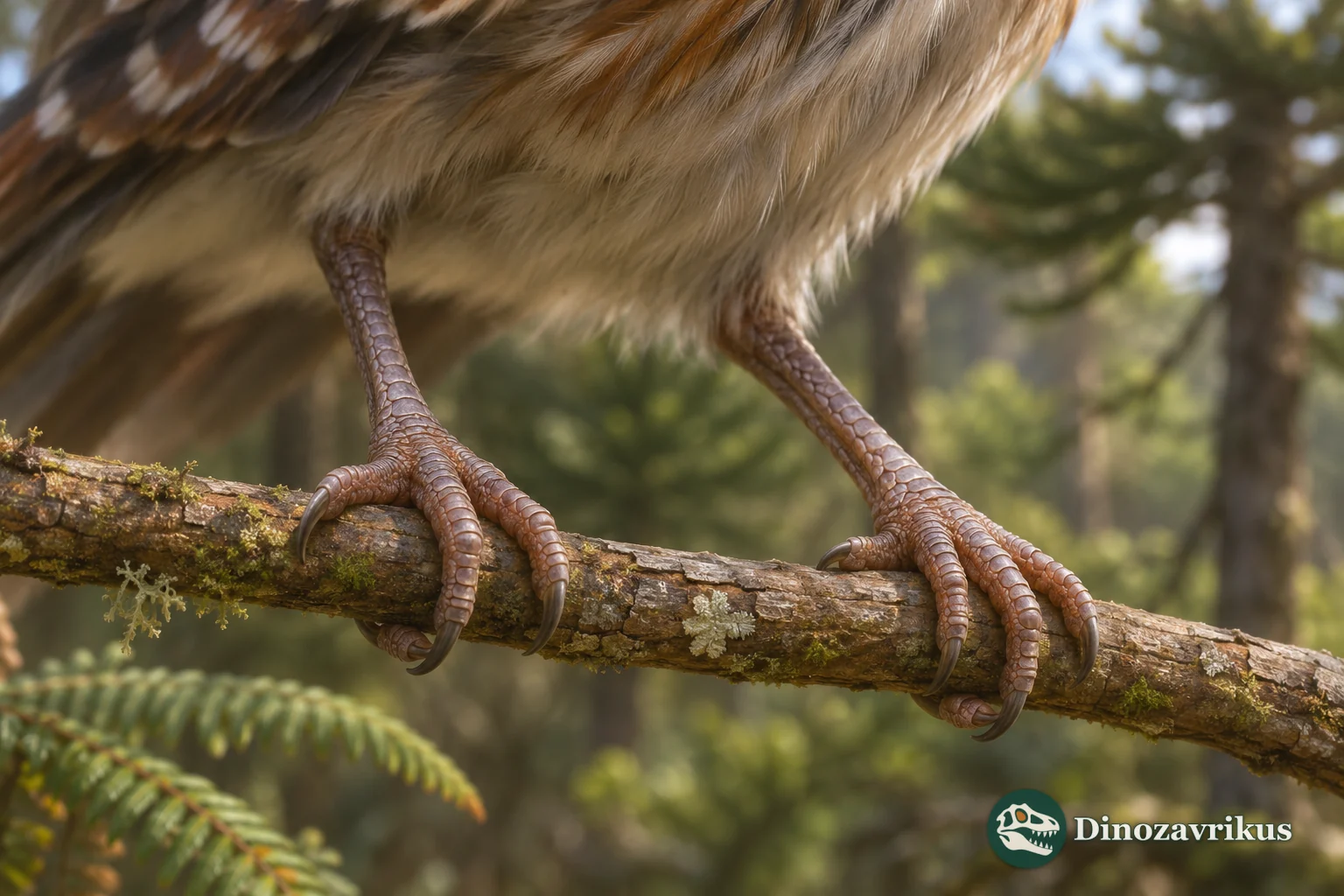
The position of the first toe and the shape of the claws underpin the original inference of perching. They give little information about how much time the bird spent in trees.
Studies published in 1994 and 2018 included Neuquenornis in Avisauridae. An analysis in 2024 placed it outside a more narrowly circumscribed avisaurid group.
The skeleton from Neuquén
Luis Chiappe and Jorge Calvo named the species in 1994. The first part of the genus name refers to Neuquén and the second comes from the Greek word for bird. The species name volans means flying. The specimen is catalogued as MUCPv-142 in the palaeontological collection of the National University of Comahue.
The find includes the back of the skull, the front of the sternum, part of the shoulder girdle, the wishbone, portions of the wings, several thoracic vertebrae and elements of the hind limbs. Some bones remained in articulation. The younger Patagonian skeleton offers a comparison with early enantiornithines such as Iberomesornis from Spain.
What the breastbone and foot reveal
The sternum bears a prominent keel that projects in front of the point where the shoulder braces joined it. This provided an attachment for flight muscles. Alongside the bones of the forelimb, it supports the original interpretation of an active flyer. The surviving bones give little information about the form of its wing feathers.
The original comparison of the foot with that of Soroavisaurus, another Argentine enantiornithine, found a grasping arrangement of the toes. Curved claws and the position of the first toe support the possibility of perching. They do not identify what Neuquenornis ate.
The age of the rocks and the identity of the family
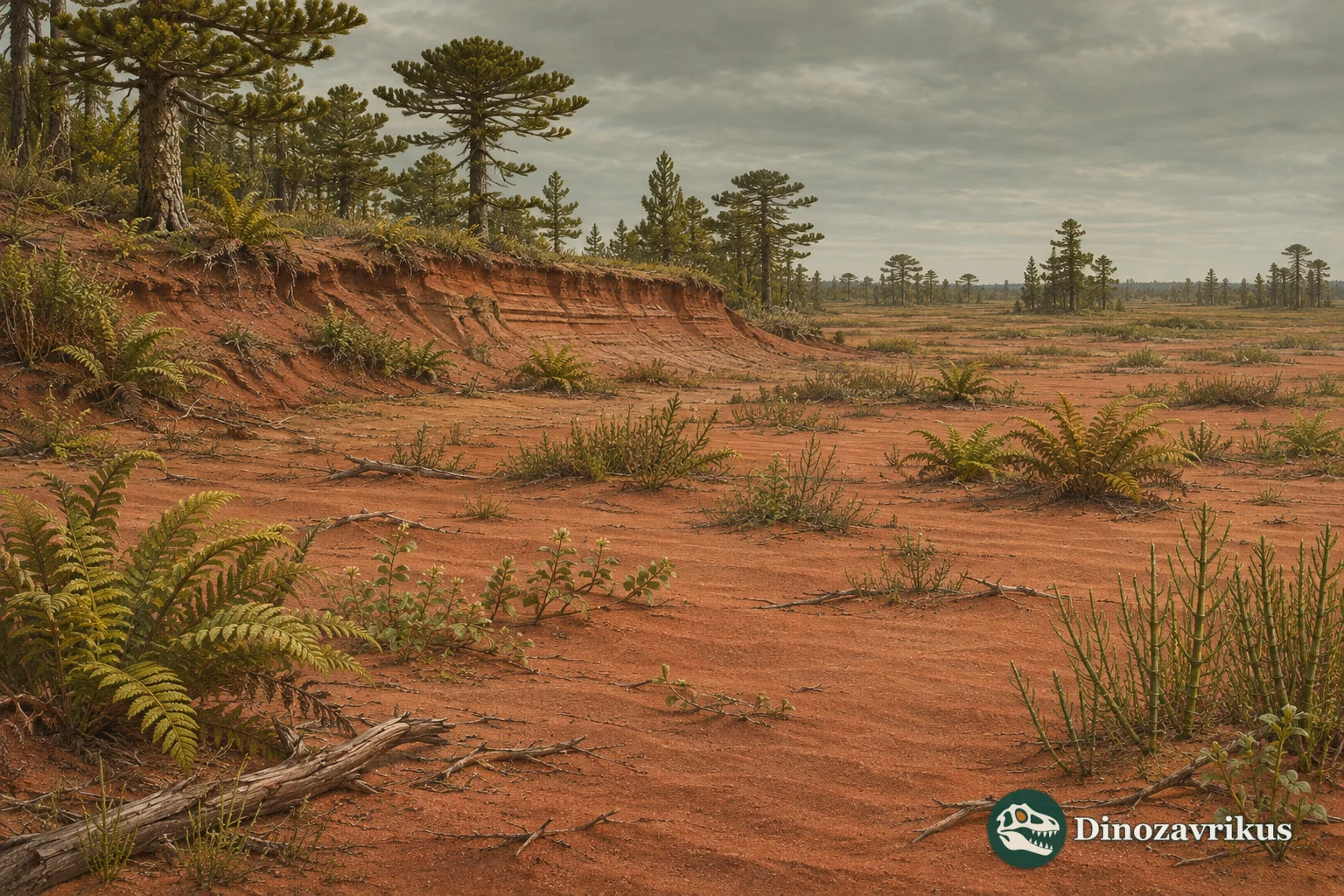
The original description used the broader Río Colorado unit and gave a Coniacian to Santonian range. The Bajo de la Carpa Formation is now generally treated as Santonian. Other fossils in this formation include the flightless bird Patagopteryx, alongside many non-avian dinosaurs, crocodile relatives and small vertebrates.
The 2018 study of avisaurid relationships included Neuquenornis. A 2024 analysis that added material from North America recognised a smaller group of avisaurids with relatively broad tarsometatarsi and placed Neuquenornis outside it. Both interpretations retain the bird within Enantiornithes.
Frequently asked questions
Is the front of the skull known?
The specimen preserves its rear portion. The precise shape of the snout remains unknown.
What does volans mean?
It is Latin for flying and refers to the well-developed flight apparatus of the fossil bird.
Have any eggs been assigned to Neuquenornis?
Eggs and nests occur in the Bajo de la Carpa Formation. No clutch can be tied to Neuquenornis from proximity alone.
Where is the tarsometatarsus?
It lies between the toes and the lower leg. Its shape and proportions are useful for comparing fossil birds.