

Neuryurus was long used for South American glyptodont fossils with unusual armor. A revision published in October 2026 interpreted the type of N. rudis as a juvenile Panochthus. The fossils remain real, but the old name's status has changed. The cover is a conceptual young glyptodont, not a portrait of a securely separate genus.
Other bones filed as Neuryurus must be compared separately. Their old labels cannot settle the identity of the type.
Quick facts
| Name status | Disputed; N. rudis type reassigned to juvenile Panochthus in 2026 |
|---|---|
| Group | Glyptodonts, extinct armored cingulates |
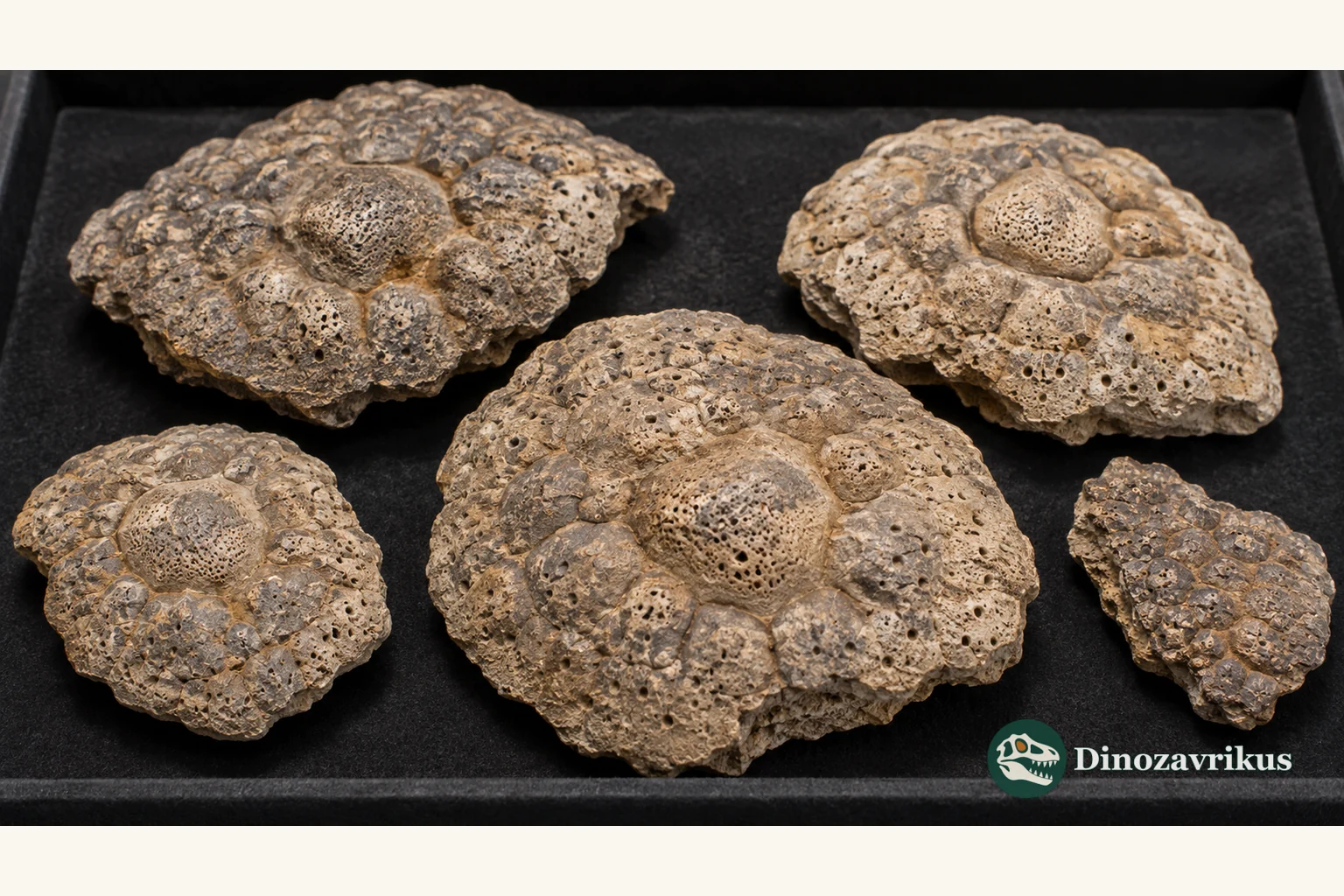
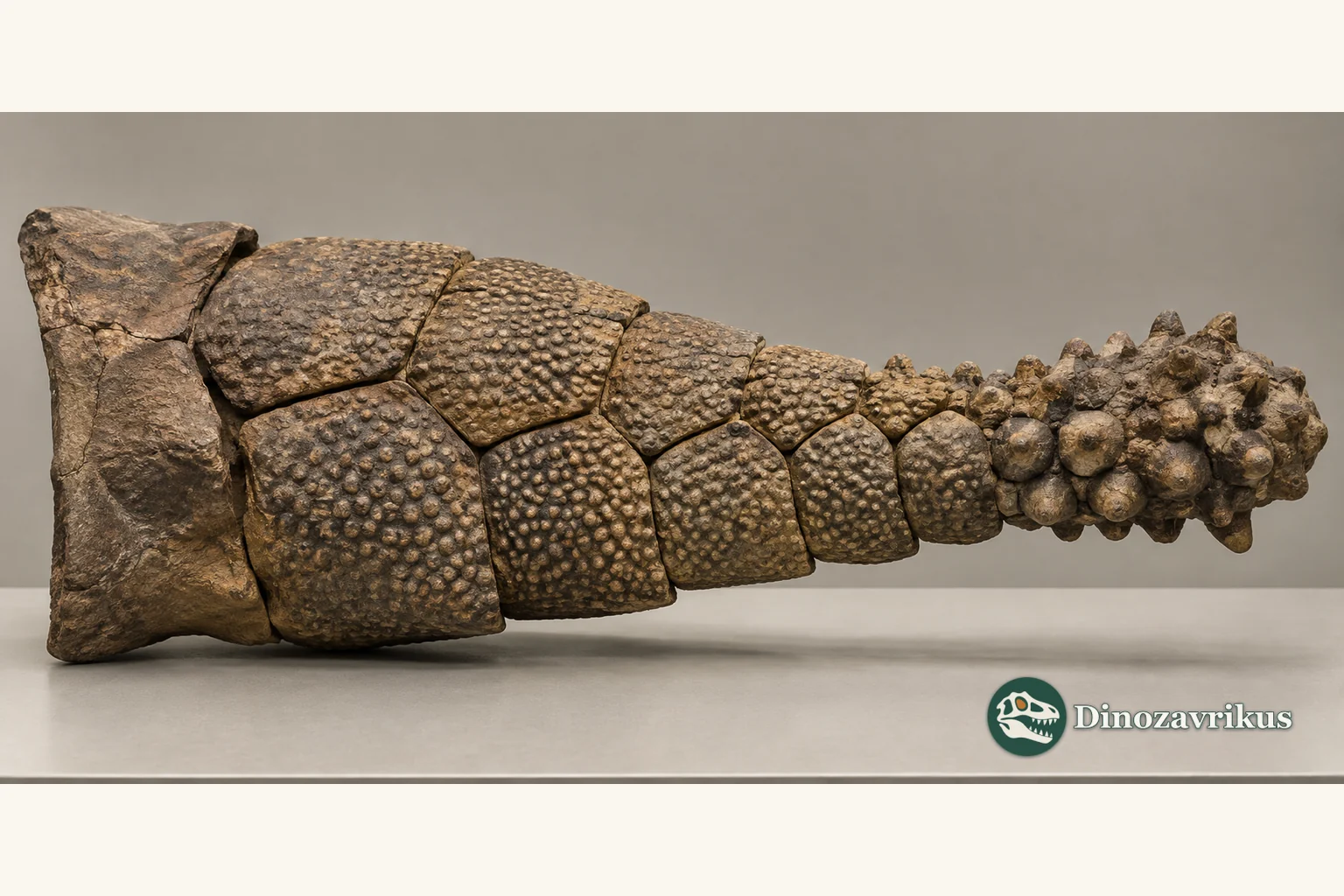
| Type material | Armor plates and caudal tube |
| Other reports | Associated Uruguayan bones and a sequenced specimen attributed to Neuryurus |
| Age | Pliocene and Pleistocene material in historical assignments |
| Open question | Identification of additional attributed specimens |
What can the fossils tell us?
A 2026 review compared the N. rudis type with Panochthus growth stages and interpreted it as a juvenile. This conclusion concerns the type itself.
Small pores and incomplete ornament in juvenile armor can mimic taxonomic distinctions. Burial and weathering can alter them further.
Uruguayan associated remains and a mitochondrial sequence were attributed to Neuryurus earlier. Their existence does not independently validate the original name.
An armor-based name
Glyptodont osteoderms often survive without a skull or limbs. Their surface patterns once supported many named forms. Neuryurus was applied to armor and caudal-tube material interpreted as distinctive, yet an isolated plate cannot reveal the animal's age.
Uruguayan studies reported isolated plates and then associated armor and internal bones from the late Pleistocene Sopas Formation. The 2019 authors proposed that a large individual might have been associated with a newborn or unborn young. That remains an interpretation of their arrangement, not proof of maternity.
Why the type changed
The 2026 revision compared the name-bearing N. rudis material with growth stages of Panochthus. Its authors concluded that porous, incompletely differentiated osteoderms and the caudal tube fit a juvenile Panochthus. Growth and post-burial damage can create apparent differences between taxa.
Because a zoological name is anchored to its type, this result challenges Neuryurus as a separate genus. It does not automatically reassign every find from Uruguay or Brazil. Historical combinations also occur in research on Eleutherocercus and require specimen-by-specimen review.
What DNA can and cannot decide
A 2024 study published mitochondrial DNA from a Pleistocene specimen identified as Neuryurus rudis. Its sequence is evidence from that bone, but the bone was not the name-bearing type. The sequence cannot by itself show that the old genus diagnosis was correct.
Rechecking the sequenced specimen's identification after the 2026 revision is essential. Growth-related changes in armor matter when placing fragmentary Quaternary fossils in a taxon.
Frequently asked questions
Is Neuryurus a distinct genus?
Its status is disputed. A 2026 revision assigned the N. rudis type to juvenile Panochthus; other finds need review.
What are osteoderms?
They are bony armor plates whose texture changes during growth and can be modified after burial.
Were Neuryurus fossils reported beyond Argentina?
Yes. Material from Uruguay and Brazil was published under the name, but each specimen needs reassessment.
Does ancient DNA establish a separate Neuryurus lineage?
No. DNA came from an attributed fossil rather than the name-bearing type, so its identification remains a separate question.