

Owenemys is a freshwater turtle described from the early Eocene of western Europe. The upper shell of the type species had three low ridges along its length. How much those and other shell features tell us about the genus remains debated.
Quick facts
| Group | Turtles, geoemydids (Geoemydidae) |
|---|---|
| Age | Early Eocene (Ypresian) |
| Region | Europe (England and France) |
| Type species | Owenemys testudiniformis |
| Holotype | BMNH 39767, shell |
| Type locality | Warden Point, Isle of Sheppey |
| Type horizon | London Clay (type species) |
| Scientific name | Owenemys |
| Diet | Exact diet unknown |
What can the fossils tell us?
The type species is based on BMNH 39767 from Warden Point. Richard Owen originally placed the species in Emys.
Sophie Hervet compared the French species Owenemys corroyi with the type species using new finds from its original locality near Aix-en-Provence.
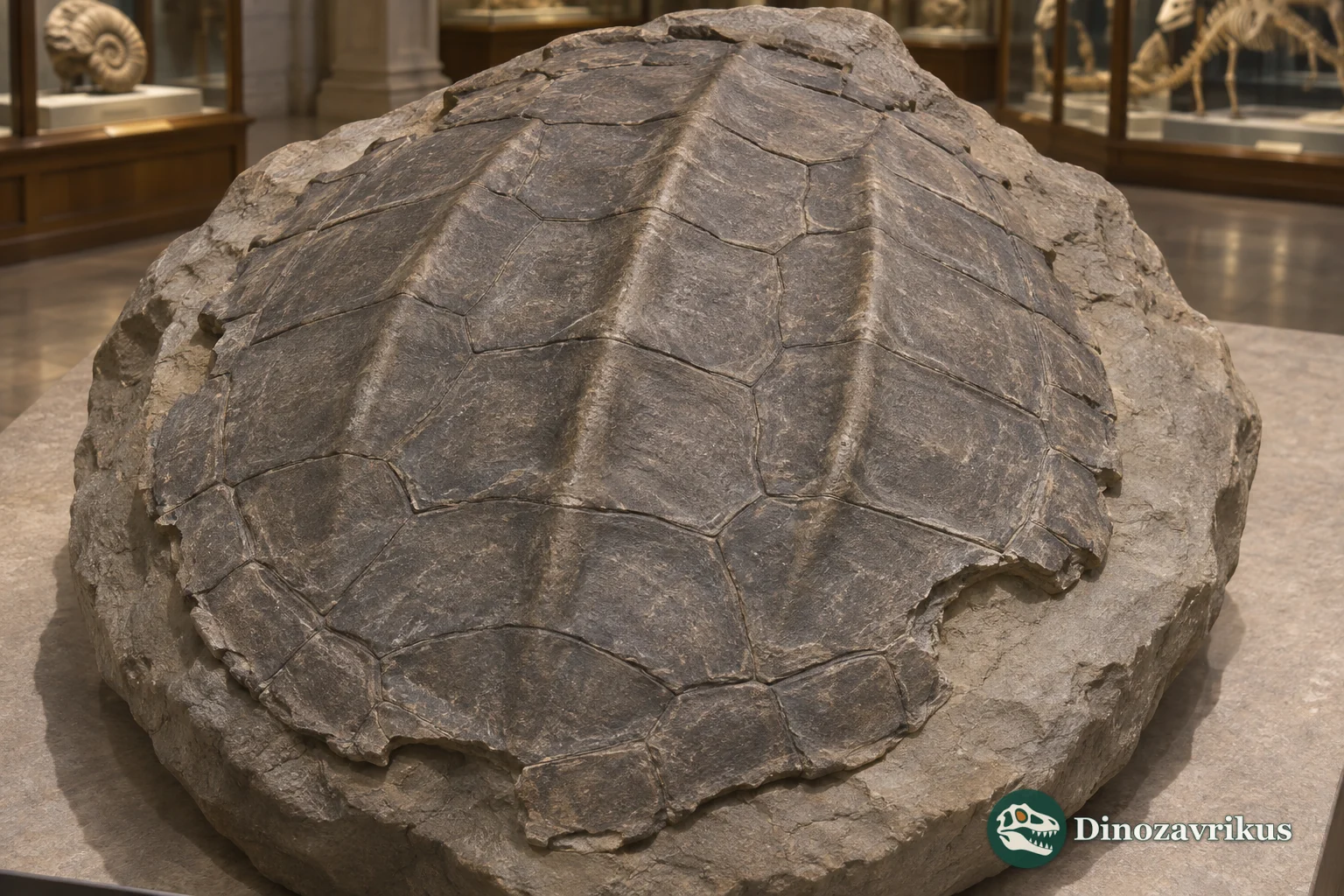
One keel runs down the middle of the carapace and two run along the sides. They persist in most mature individuals of the type species.
London Clay and the French finds
Richard Owen named Emys testudiniformis in 1842. The type shell, BMNH 39767, comes from Warden Point on the Isle of Sheppey, Kent. Another London Clay specimen examined by Sophie Hervet, BMNH R4102, came from Harwich in Essex.
In 2004 Hervet erected the genus Owenemys and included a French species, O. corroyi, originally named Testudo corroyi. She examined newly collected material from Palette in Provence because the original specimen UP-AM1 could not be located.
How shell features were weighed
The type species has three lengthwise ridges on its carapace. In Hervet's account, the French O. corroyi has a broader rear lobe of the plastron and a differently proportioned cervical scute. The front rim and lower shell have to be preserved to make those comparisons.
Julien Claude and Haiyan Tong compared fossils from Saint-Papoul with British and other French specimens. They argued that scute and shell proportions could vary among individuals and during growth. They therefore treated Owenemys as a junior synonym of Palaeoemys. A comparable disagreement about genus boundaries arose in studies of Euroemys.
A freshwater turtle in marine clay
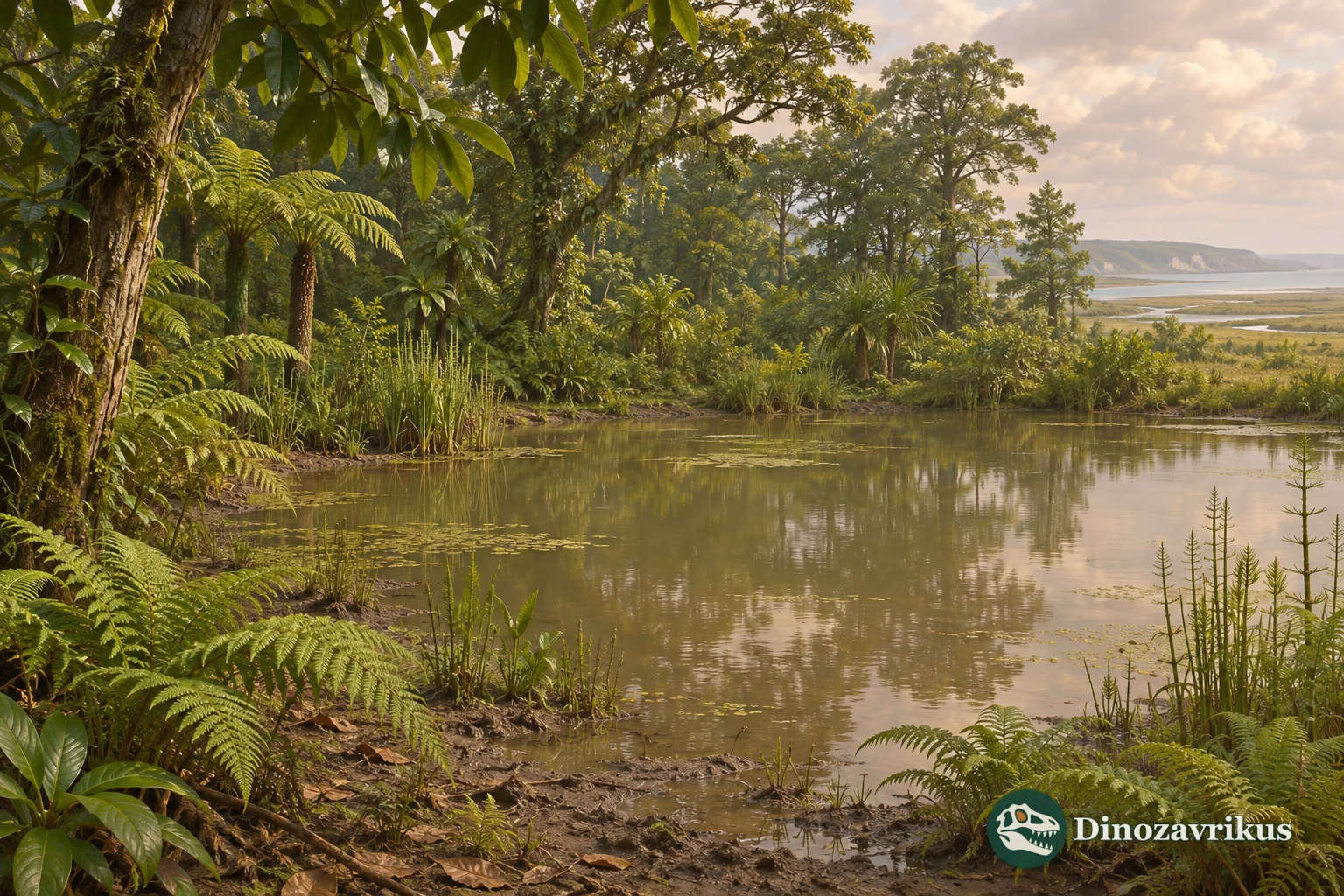
The London Clay of Sheppey is rich in marine fossils. The sediment records where a shell was buried. The anatomy of the shell supports freshwater affinities. Remains of freshwater animals can reach a coastal setting, although the precise route taken by this specimen cannot be recovered.
Frequently asked questions
Where was the holotype found?
At Warden Point on the Isle of Sheppey in England, in the London Clay.
Where were the three ridges on the shell?
One ran down the middle of the carapace and two ran along its sides.
What do we know about the French fossils from Palette?
The redescription of *O. corroyi* used additional shell fossils from the same locality as the original specimen UP-AM1.
Why does the type species appear under two genus names?
Hervet erected *Owenemys*. Claude and Tong placed the type species in *Palaeoemys* after reviewing how much the relevant features can vary.