

Paracoluber was an extinct member of the colubrid snake family. It was named from Miocene material in Saskatchewan. Later records include fossil assemblages in Kansas and Nebraska.
Quick facts
| Group | Snakes, family Colubridae |
|---|---|
| Age | Miocene |
| Region | North America, Canada and United States |
| Type species | Paracoluber storeri |
| Scientific name | Paracoluber |
| Diet | No direct evidence |
What can the fossils tell us?
The type species comes from Saskatchewan. The genus also occurs in Miocene assemblages from Kansas and Nebraska.
Identifying an isolated vertebra involves comparing its processes, the centrum, and the ridge on its underside.
Resemblance to racer vertebrae cannot establish the snake's speed or the kinds of prey it caught.
Saskatchewan and records farther south
J. Alan Holman described Paracoluber storeri in 1970 in a study of the Wood Mountain Formation fauna of Saskatchewan. The genus also occurs at WaKeeney in Kansas and several Nebraska localities, including Pratt Slide and Lemoyne Quarry. In the Great Plains, it shares Late Miocene assemblages with other extinct snakes including Nebraskophis.
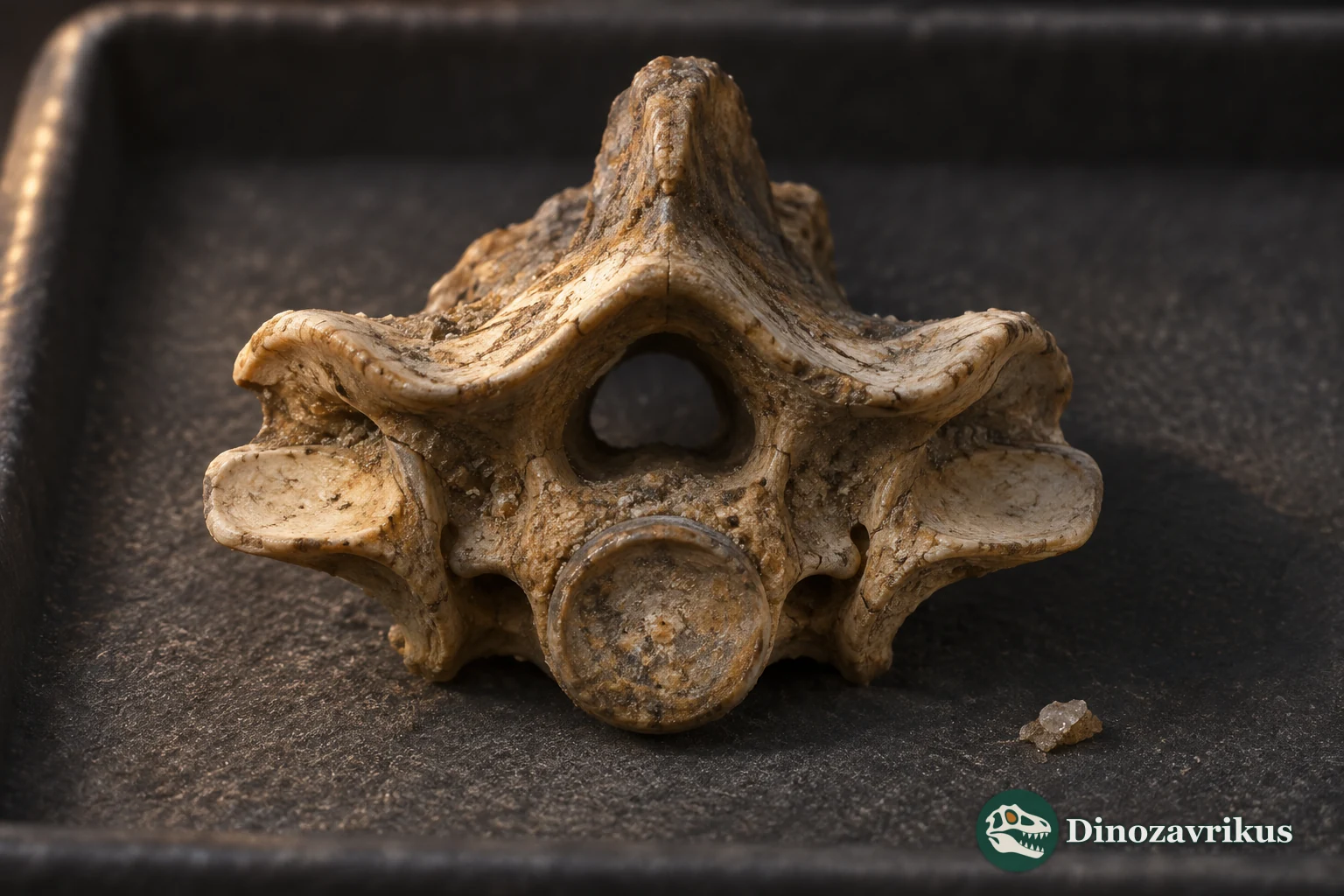
How isolated vertebrae are compared
Among the features used to identify trunk vertebrae are the proportions of the centrum, the outline of the neural spine, and the hemal keel, a ridge along the underside. In colubrids, these features also vary along the spine. Holman compared Paracoluber with racers based on the combined vertebral characters. The material does not establish the color pattern or total length of the animal.
Reconstructing the WaKeeney setting
From the fossil assemblage, Holman inferred that the sediments had accumulated in a small valley with a stream. Animals preserved together there could have lived along wet banks or in drier patches nearby. The assemblage provides evidence for the setting as a whole. The snake's hunting grounds and behavior remain unknown.
Frequently asked questions
Where was the genus first described from?
The type species was described from fossils in the Wood Mountain Formation of Saskatchewan, Canada.
Which group does Paracoluber belong to?
It belongs to the colubrid snake family, Colubridae.
What is the ridge on the underside of a vertebra called?
It is the hemal keel. Its outline and extent are compared with other vertebral features.
How fast could this snake move?
The available bones do not provide a speed estimate. The comparison with living racers is based on vertebral structure.