

Parahystricurus was an Early Ordovician hystricurid trilobite. Its central head shield preserves features that distinguish it from other members of the family. Detached free cheeks from the same kinds of beds are considerably harder to identify to species.
Quick facts
| Group | Trilobita, Hystricuridae |
|---|---|
| Main fossil age | Early Ordovician |
| Type species | Parahystricurus fraudator |
| Genus established | Reuben James Ross, 1951 |
| Key formations | Garden City and Fillmore, USA |
| Fossil evidence | Cranidia and detached free cheeks |
What can the fossils tell us?
Short, forward-set palpebral lobes and the shape of the area behind them are visible on the cranidium and help distinguish the genus.
The poorly preserved BYU 1662 was compared with a described species. Its shape alone did not make that assignment certain.
The Idaho study figured cranidia of fraudator and pustulosus from the same level. Pieces found together in a bed need not come from a single animal.
The Garden City material
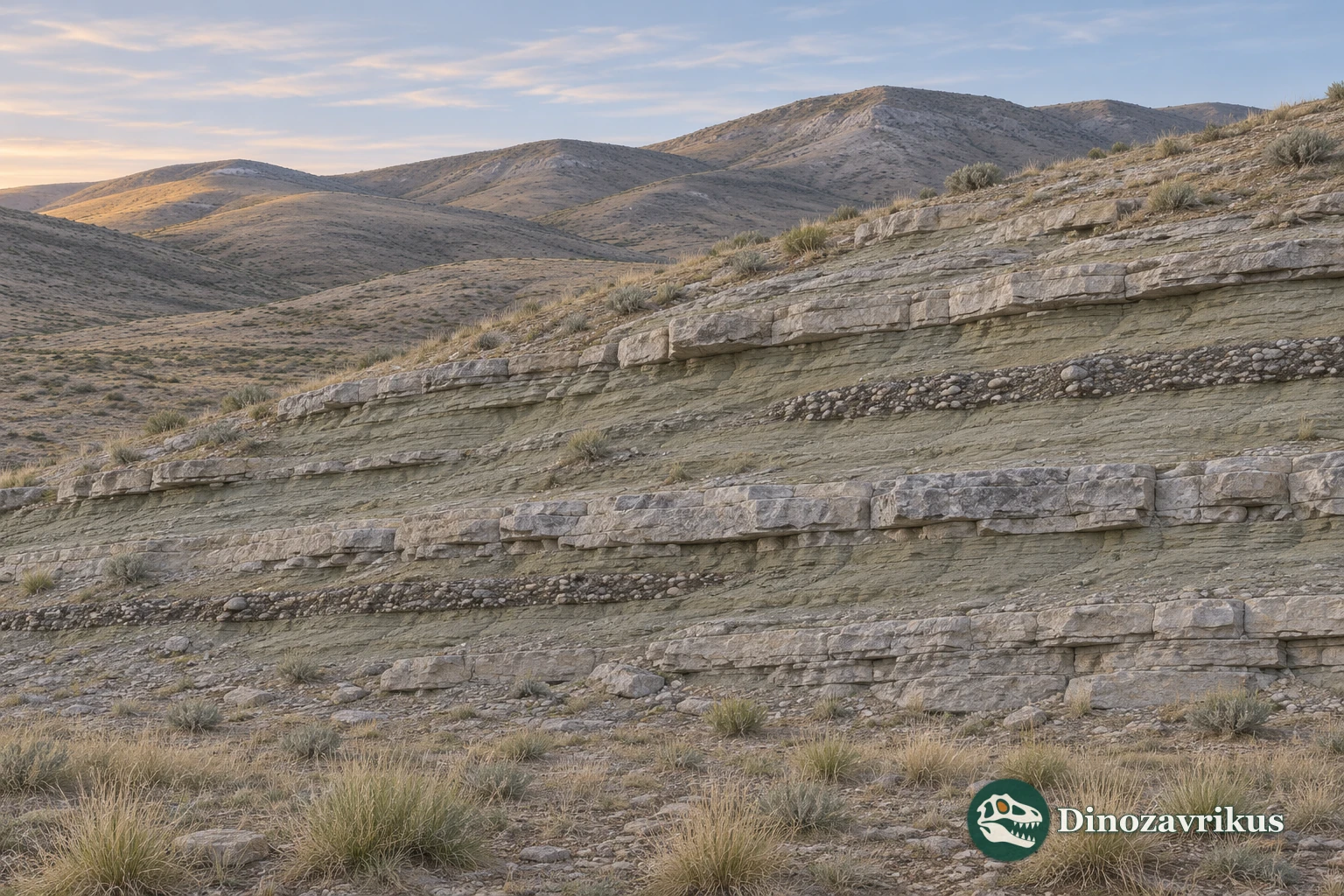
Reuben James Ross erected Parahystricurus in 1951 in his study of the Garden City Formation of western North America. The type is P. fraudator. A 2014 study illustrated cranidium SUI 134233 of that species and SUI 134234 of P. pustulosus from the same bed in the Bear River Range, southeastern Idaho. The bed is at 127.5 m in the HC6 section, in the Pseudoclelandia cornupsittaca Zone.
The cranidium is the central part of the head shield. It retains the glabella and the fixed parts of the cheeks after the outer pieces separate at the facial sutures. Parahystricurus has short palpebral lobes set far forwards, with elongated rear areas behind them. Their position helps distinguish it from Hystricurus.
What a single cheek can tell us
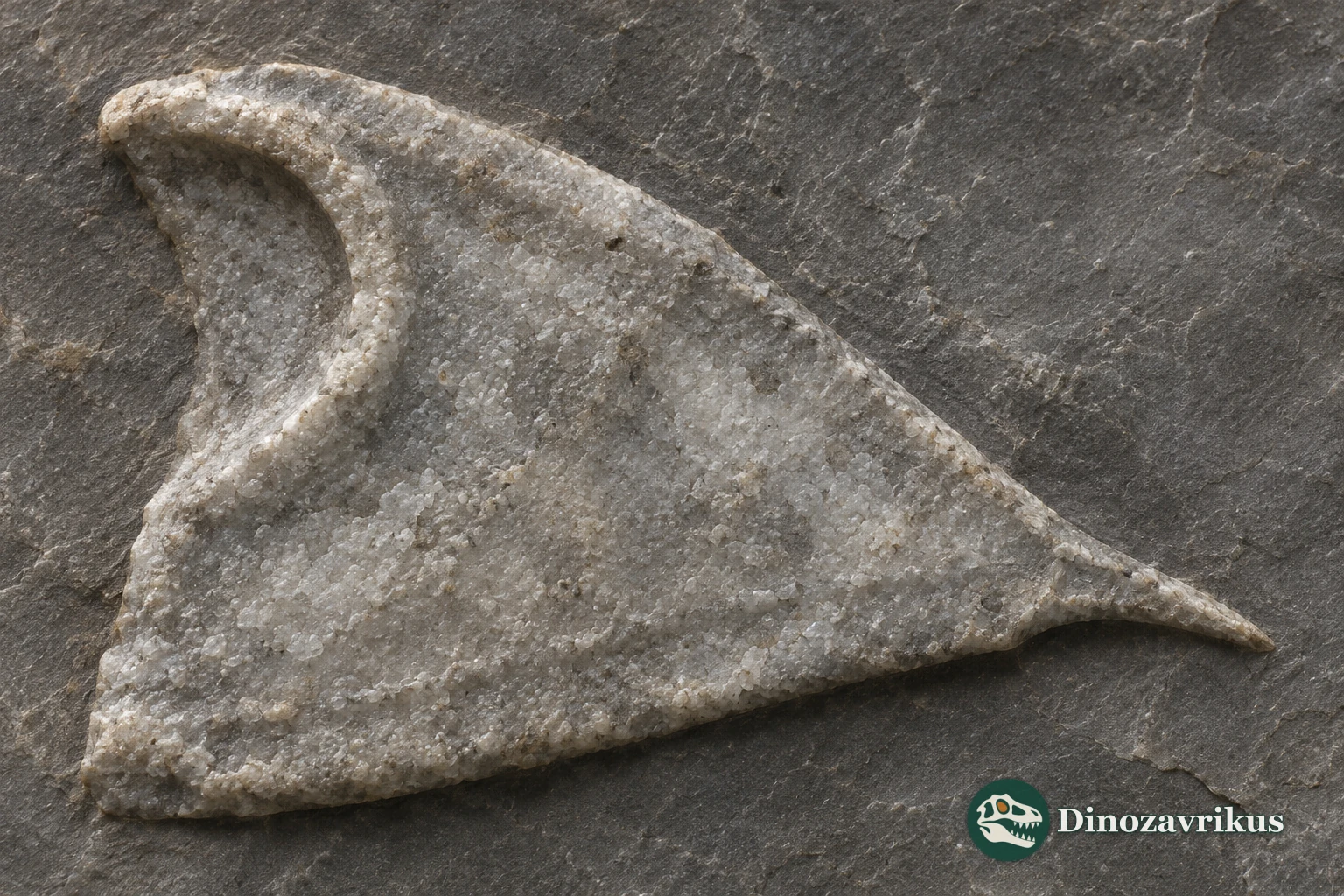
Forrest Terrell examined silicified trilobites from the lower Fillmore Formation in western Utah. The poorly preserved free cheek BYU 1662 from zone E was compared with P. bispicatus. Other cheeks occurred more often, but he deferred naming their species until a corresponding cranidium could be found.
Several cheeks also resembled those of P. pustulosus. Some carried a shorter genal spine. Since the shortened form was common, Terrell hesitated to attribute it to pathology. The shape of the spine is more informative when additional parts of the head can be compared.
The Victorian comparison
Four damaged cranidia from the Digger Island Formation of Victoria were compared with the North American type species. Their short and forward-set eye lobes are consistent with the genus, but some glabellar features differ and most are internal moulds. The authors used an open identification, with the Australian material compared to P. fraudator and its exact species left unresolved.
Frequently asked questions
What is the type species of Parahystricurus?
It is P. fraudator from the Early Ordovician Garden City Formation.
How can it be distinguished from Hystricurus?
The short, forward-set eye lobes and the long rear areas behind them help separate the genera.
What is a free cheek?
It is an outer piece of the head shield that can separate from the cranidium along a facial suture.
Is the type species confirmed in Australia?
The Victorian fragments were provisionally compared with P. fraudator. Their species remains uncertain.