

Pelorochelon is named for a large tortoise from Mazaterón in central Spain. The bones of the shell preserve features used to compare early tortoises. They also show that sizeable terrestrial species had appeared in Europe by the middle Eocene.
Quick facts
| Group | Turtles, early tortoise lineage (Pan-Testudinidae) |
|---|---|
| Age | Middle Eocene (Lutetian and Bartonian) |
| Region | Europe (Spain, with a disputed assignment from Germany) |
| Type species | Pelorochelon soriana |
| Holotype | STUS-14223, shell from Mazaterón |
| Scientific name | Pelorochelon |
| Diet | Exact diet unknown |
What can the fossils tell us?
STUS-14223 is the shell of the Spanish type species. It records shell proportions and bone contacts, but does not preserve cranial anatomy.
The first suprapygal surrounds part of the second, lens-shaped bone. Their shapes and contacts are useful for comparing early tortoise shells.
The 2016 description combined the Spanish and German species in one genus. A later analysis placed them on separate branches.
The Soria material
Adán Pérez-García, Francisco Ortega and Emiliano Jiménez Fuentes named Pelorochelon soriana in 2016. The type shell, STUS-14223, comes from the Bartonian site of La Solana at Mazaterón, on the eastern side of the Duero Basin. It is kept in the University of Salamanca’s Sala de las Tortugas. The same collection holds other shells from the site, including the plastron STUS-14224.
The locality also preserves freshwater side-necked turtles. They document a different way of life within the fauna buried at the same site. The shell anatomy of P. soriana places it among early tortoises.
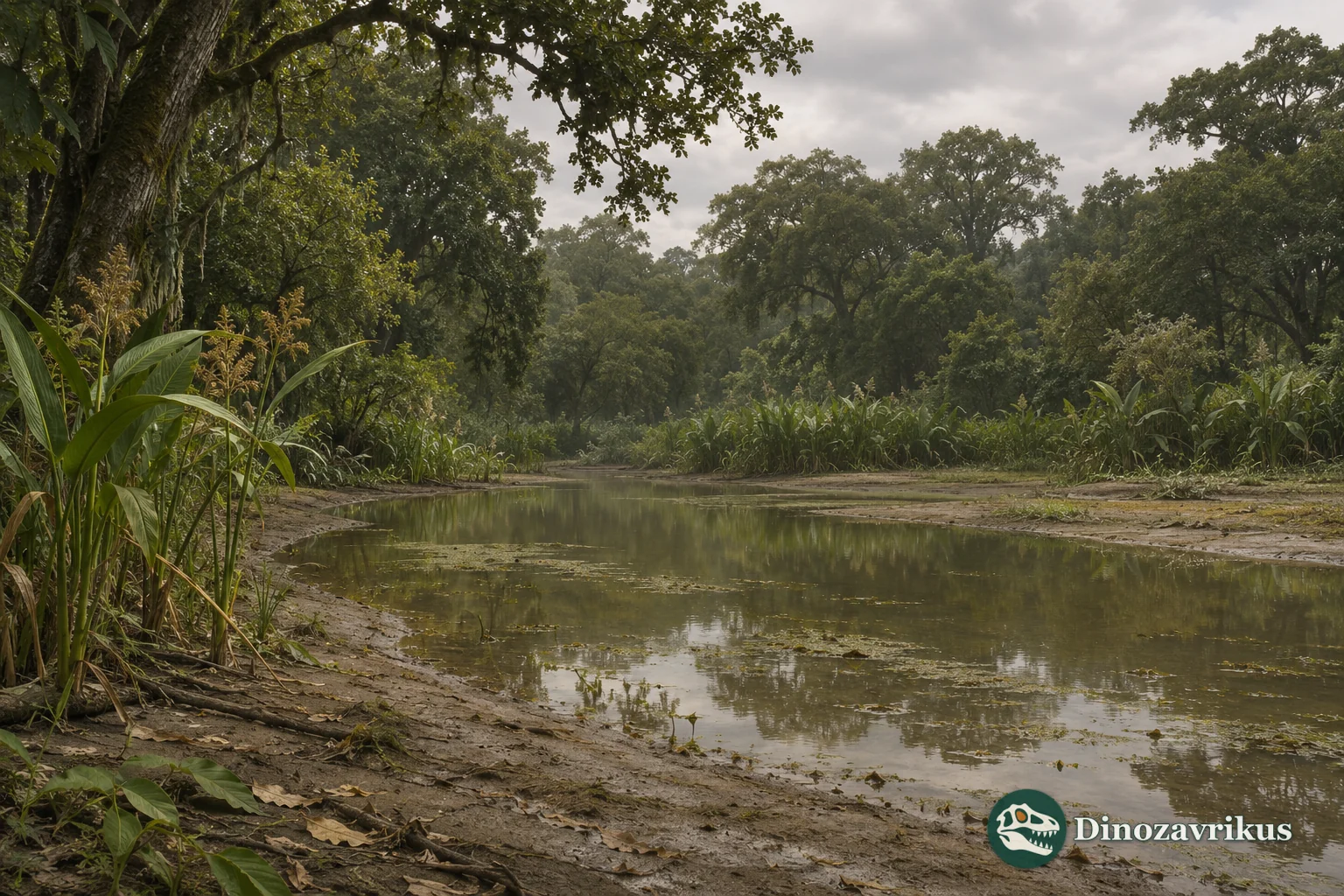
A large shell with diagnostic details
The Salamanca collection describes the shell length of large Pelorochelon specimens as close to 70 centimetres. The bones above the tail and the forward projection of the plastron also matter for identification. The first suprapygal embraces a second lens-shaped plate, and the front of the plastron projects beneath the throat. Later tortoises such as Cheirogaster help show the diversity of large shell forms in the European Eocene.
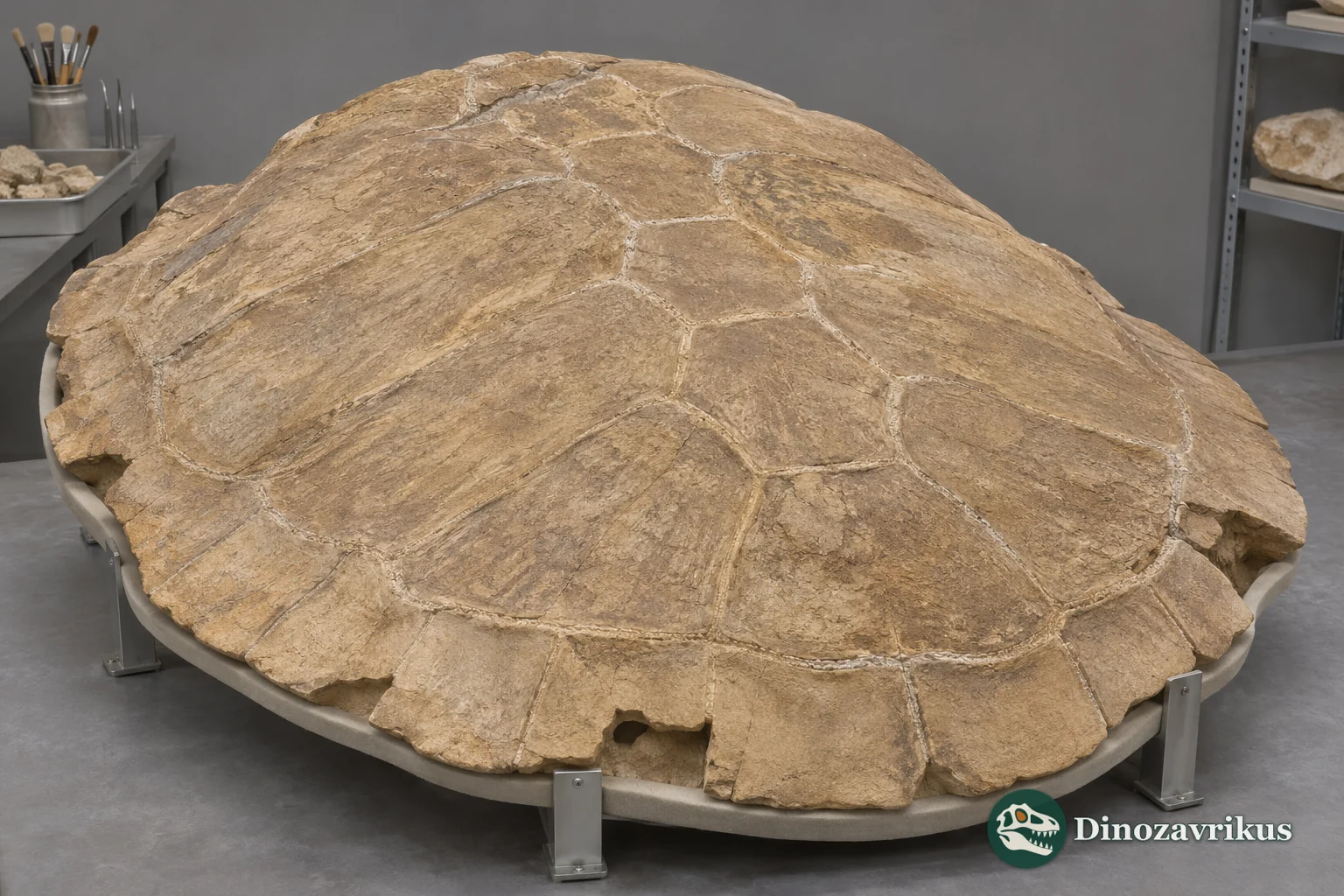
Why one name appears on different branches
The German species from Geiseltal was originally named Testudo eocaenica by Karl Hummel in 1935. It was later assigned to Hadrianus, and the 2016 study transferred it to Pelorochelon. Vlachos and Rabi recovered the two species on different branches in their 2018 analysis. The Spanish type species continues to define the genus even when the German form is treated separately.
Frequently asked questions
Where was the type found?
At La Solana, near Mazaterón in the Spanish province of Soria.
What is STUS-14224?
A plastron from Mazaterón, held in the University of Salamanca alongside the type material.
How long could the shell be?
The collection describes large Pelorochelon shells as close to 70 centimetres long.
Were the German and Spanish species close relatives?
They were grouped together in 2016, but the 2018 analysis did not recover them on the same branch.