

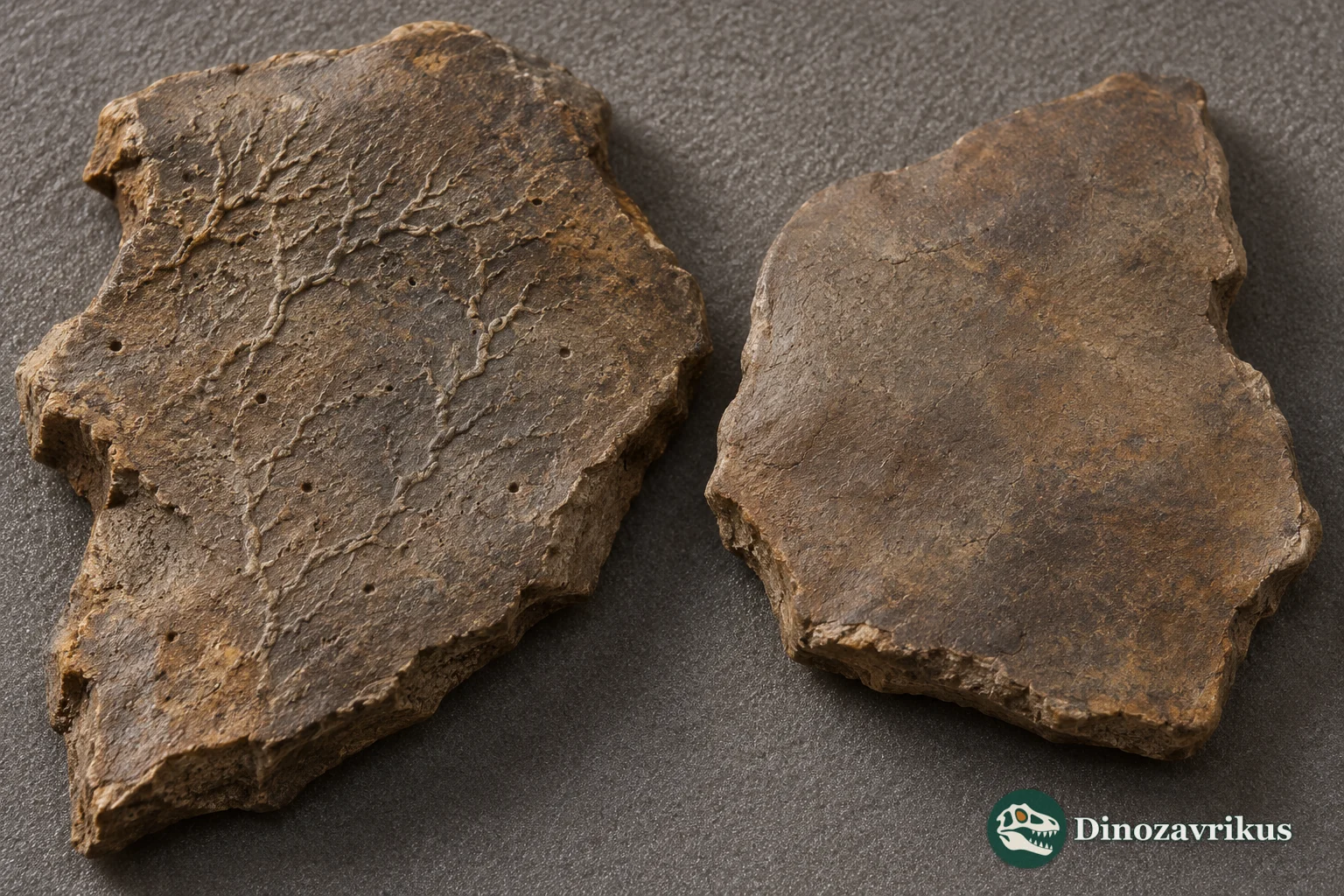
Peritresius was a Late Cretaceous sea turtle from coastal waters along North America. Its shell bones bore small ridges separated by winding grooves. The texture on those bones helps identify fragments of the type species even in the absence of a complete shell.
Quick facts
| Group | Turtles, sea turtles |
|---|---|
| Age | Late Cretaceous, Campanian to Maastrichtian |
| Region | North America: United States |
| Type species | Peritresius ornatus |
| Material | Carapace bones and parts of the plastron |
| Scientific name | Peritresius |
| Diet | No direct evidence |
What can the fossils tell us?
Small ridges and grooves cover the surface of the shell bones. This texture can identify the type species from incomplete material.
Additional ossifications rose over the midline bones of the carapace. Their arrangement links the type species to other ctenochelyid turtles.
The type specimen of P. martini preserves no midline bones. A 2025 analysis found no features that securely link it to P. ornatus.
A keeled carapace with gaps between the bones
Joseph Leidy described the type species as Chelone ornata in 1856, and Edward Cope erected Peritresius in 1869. Fossils come from New Jersey and the southeastern United States. Alabama specimen ALMNH 8988 includes parts of the carapace with the winding ridges that give the type species its name.
Openings between shell bones persisted even in adults. Additional ossifications helped form the ridge down the centre of the carapace. These features place the type species among ctenochelyid sea turtles. Fossils of Toxochelys document another branch of the sea turtles that lived around North America in the Late Cretaceous.
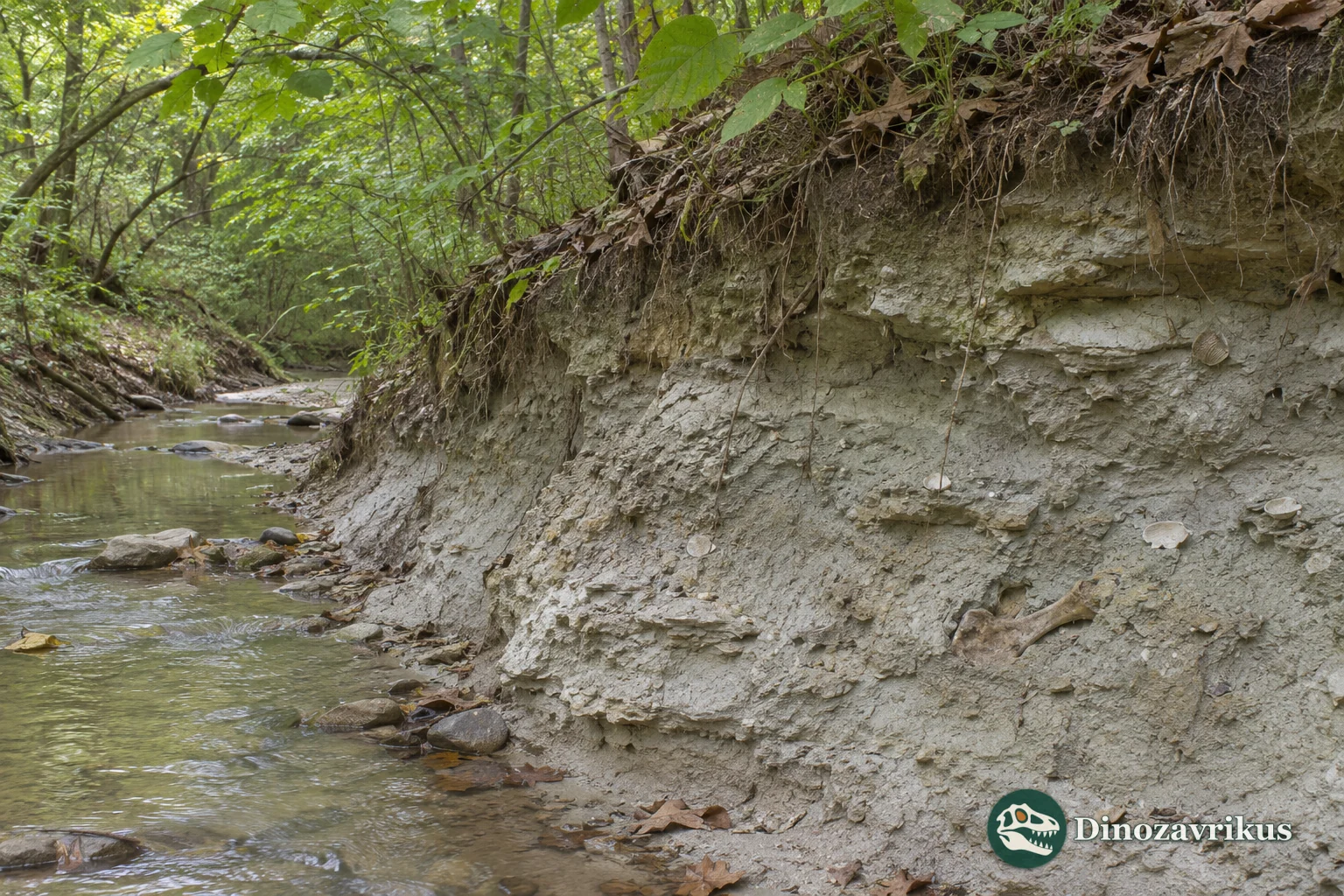
The turtle found in an Alabama creek
Researchers described P. martini in 2018 from the lower Ripley Formation of Lowndes County, Alabama. The holotype ALMNH 6191 preserves parts of the carapace, lower shell and pelvis. Its bones have much less surface relief. The authors estimated a carapace length exceeding 90 cm for this individual.
A 2025 study reanalysed the specimen using two sets of skeletal characters. Both analyses placed it outside Ctenochelyidae. The holotype lacks the midline bones of the carapace, and researchers found no clear derived features shared with P. ornatus. The name P. martini remains in use while its placement awaits better material.
A hypothesis about heat exchange
The team that described the Alabama fossils in 2018 suggested that the shell relief of P. ornatus might reflect an extensive blood supply. They proposed a possible role in heat exchange in cooler water. The grooves preserve a feature of the bone surface. They give no direct reading of body temperature or the rate of heat exchange.
Frequently asked questions
How can a fragment be identified?
The type species has winding ridges and grooves on the outer surface of shell bones. Researchers also check the shape and position of each bone.
Where did the type species live?
It lived in coastal waters of Late Cretaceous North America. Fossils are known from the eastern and southeastern United States.
What is unusual about the shell?
Additional bones helped form a midline keel, and gaps between some carapace bones remained open in adults.
What did Peritresius eat?
There is no direct evidence of its diet. Most diagnostic specimens represent the shell.