

Petigurus was an Ordovician genus of trilobites with convex head and tail shields. The raised axis of the head projected forward and the sides of the tail shield bore strong grooves. One species helps correlate marine beds in two measured sections in Oklahoma.
Quick facts
| Group | Trilobita, Bathyuridae |
|---|---|
| Age of the main material | Early Ordovician |
| Genus named | Percy Raymond, 1913 |
| Type species | Petigurus nero, originally described as Bathyurus |
| Studied rock unit | Kindblade Formation, Oklahoma, United States |
| Fossil material | Parts of head and tail shields |
What can the fossils tell us?
The outline of the inflated glabella and the arrangement of shell tubercles differ between species.
Prominent furrows separate ribs on either side. Rings in the fused tail shield cannot establish the number of free thoracic segments.
P. cullisoni continues into the next zone. Its presence alone is insufficient to identify a bed within the sequence.
The genus and its Oklahoma species
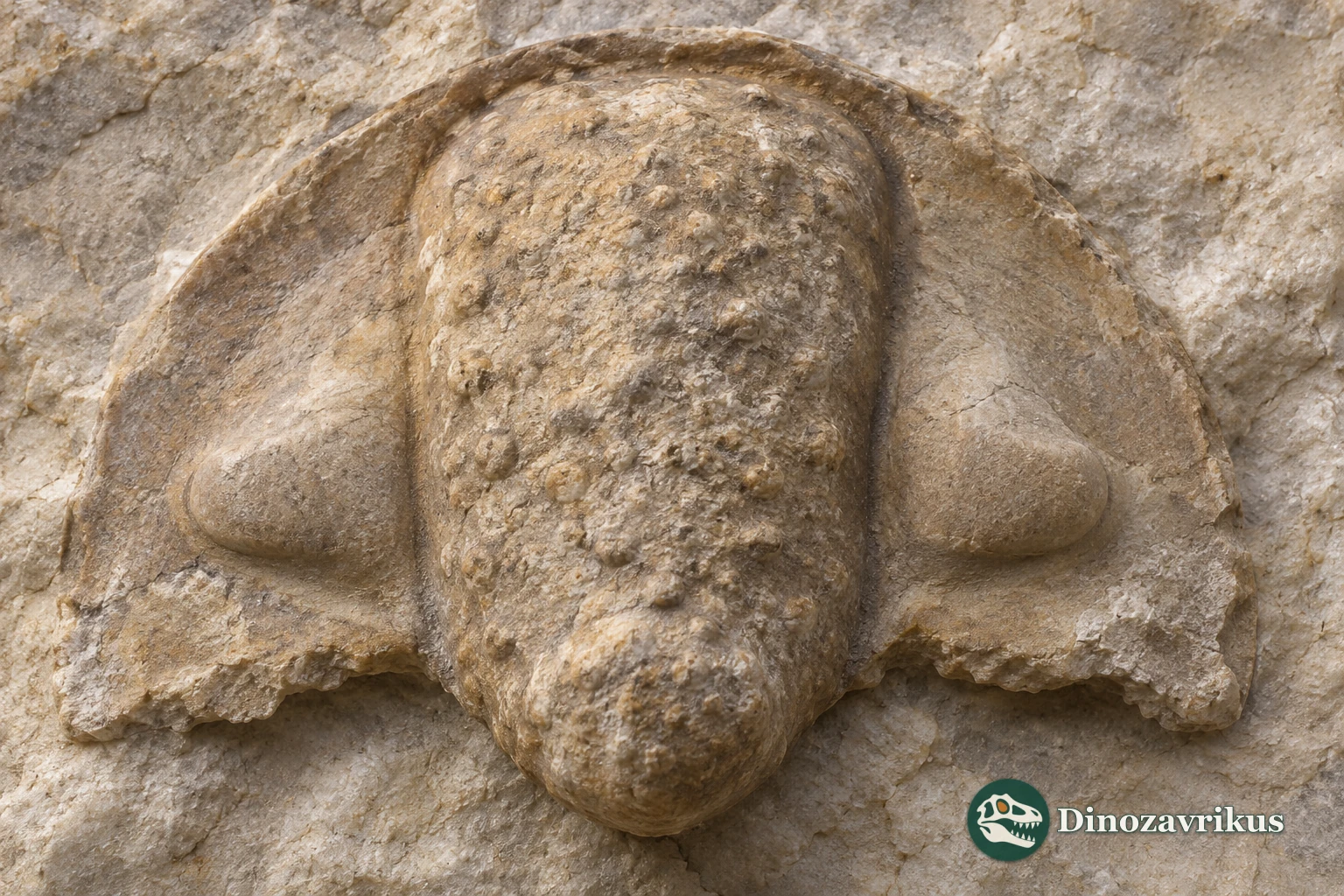
Percy Raymond established Petigurus in 1913, designating Bathyurus nero, described by Elkanah Billings in 1865, as the type species. The genus has an inflated glabella, or axial region of the head shield. It projects in front of the surrounding cheeks, with sides that are almost parallel or narrow towards the rear.
James Loch described Petigurus cullisoni in 2007. Its holotype is UMC 16995. The study counted 50 cranidia, 30 pygidia and 47 free cheeks. These are parts of shells, some of which may be moults. The species honours J. S. Cullison, who first illustrated its distinctive pygidium.
The projecting head axis and ribbed tail
In P. cullisoni the glabella is elongate, narrow at the rear and sharply rounded in front. Small tubercles texture the shell. Details of the eye lobes and the shape of the glabella distinguish this species from similar specimens elsewhere.
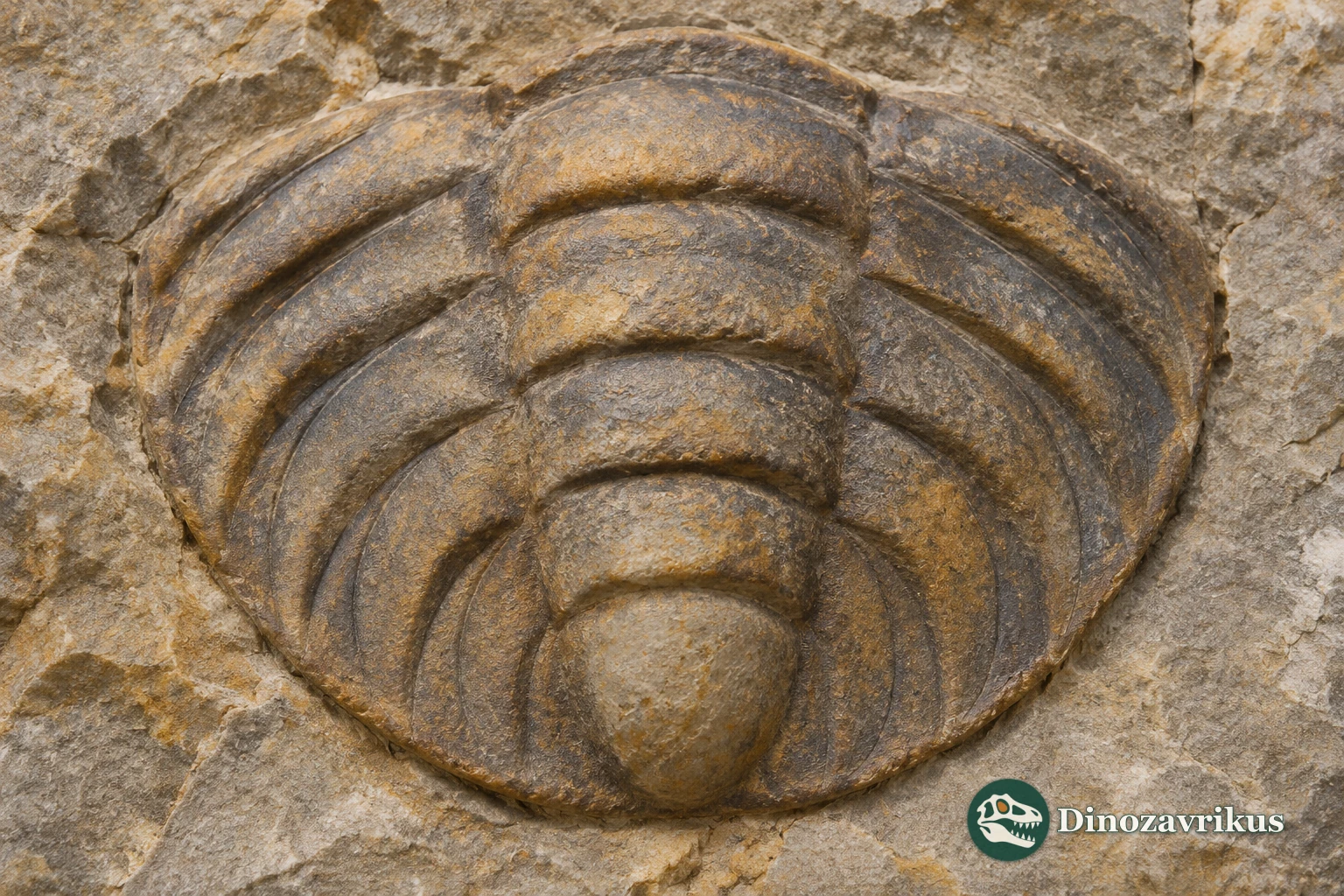
The tail shield is convex, with a rounded rear margin. In Petigurus three or four rings generally precede the terminal piece of the axis. Furrows cross the sides, and a narrow rim turns sharply downwards. These parts establish the form of the shell while leaving the appendages and diet uncertain.
The Petigurus cullisoni Zone
In two Kindblade Formation sections, the lowest local occurrence of P. cullisoni defines the start of a zone. A zone named for Benthamaspis immediately precedes it. P. cullisoni continues into the next zone, so other trilobites help narrow the position of a bed.
The species has also been reported from marine deposits in Missouri, Pennsylvania and Newfoundland. Correlating those sections depends on comparisons of the shields and on where the specimens occur in each succession.
Frequently asked questions
What is the type species of Petigurus?
Petigurus nero. Billings originally described the species in Bathyurus.
Which parts of Petigurus cullisoni are best known?
The cranidia, free cheeks and tail shields.
What distinguishes its tail shield?
Three or four axial rings usually precede a terminal piece. Prominent grooves cross the fields on either side.
Where is Petigurus useful in stratigraphy?
In the Kindblade Formation of Oklahoma, the first local occurrence of P. cullisoni marks the base of a fossil zone.