

Pinpanetta is a genus of extinct ducks from late Oligocene South Australia. Trevor Worthy distinguished three species in fossil collections from the Lake Eyre Basin. Each species is anchored to a right humerus, so the same regions of the upper wing could be compared across the three localities.
Quick facts
| Group | Anatidae |
|---|---|
| Age | Late Oligocene |
| Region | Lake Eyre Basin, South Australia |
| Type species | Pinpanetta tedfordi |
| Genus named by | Trevor Worthy, 2009 |
What can the fossils tell us?
The holotype of each species is a right humerus. These bones retain corresponding surfaces of the wing skeleton.
Two types come from the Etadunna Formation. The third comes from the Namba Formation at Lake Pinpa.
Worthy’s comparison placed Pinpanetta near the stiff-tailed duck branch. The inference is based on skeletal characters.
Three types from three localities
Worthy named Pinpanetta in 2009. The name refers to Lake Pinpa, the locality of one of the three holotypes. The type species Pinpanetta tedfordi is based on humerus SAMA P41257. It comes from Young Bucks Quarry near Lake Palankarinna in the Etadunna Formation.
The type of P. vickersrichae, SAMA P42703, comes from a small fossil site near Lake Kanunka in the same formation. The holotype of P. fromensis, SAMA P43128, comes from the Namba Formation at Lake Pinpa. The lake that provided the genus name therefore yielded a different species from the type species.
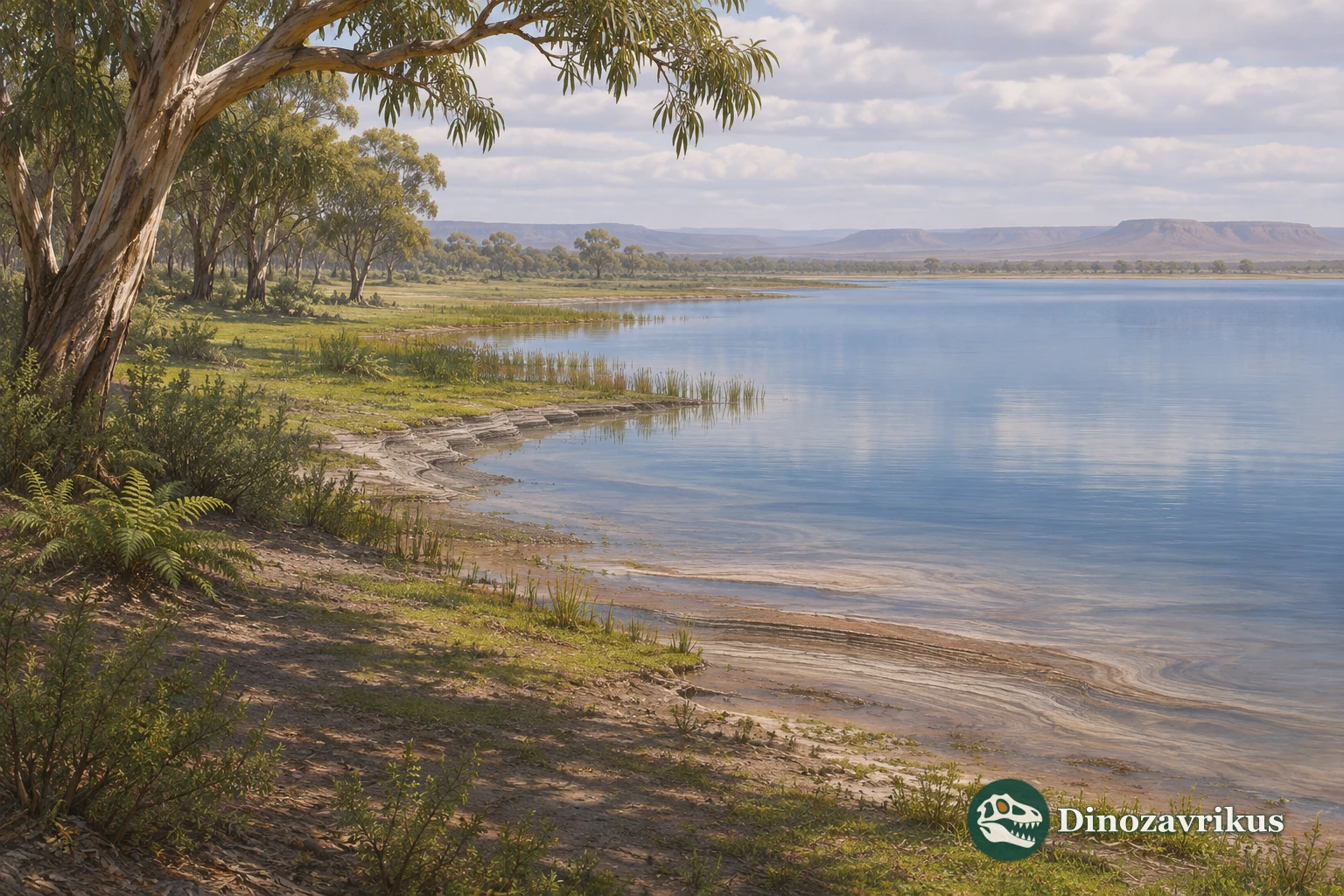
What a series of bones can show
The original description assigned 18, 15 and 20 specimens to the three species respectively. These are counts of specimens, which can include different parts of the skeleton. They provide no direct count of individuals in the ancient populations.
The notch beside the head of the upper wing bone is almost absent in Pinpanetta. In Pinpanetta tedfordi, the shaft tapers towards the elbow end. Other ducks share these features, so anatomists compare them alongside the rest of the wing. Reassessment of the European duck Mionetta also used a combination of such characters to assess the boundaries of a genus.
Where Pinpanetta fits among ducks
Worthy’s analysis placed Pinpanetta near the stiff-tailed duck branch by comparing bones of fossil and living waterfowl. The result informs the history of duck diversity in Australia. It supplies little basis for estimating how frequently any of the extinct species dived. Their plumage and colour patterns are unknown.
Frequently asked questions
How many species did Worthy describe?
Three. Pinpanetta tedfordi is the type species of the genus.
What is the type specimen of Pinpanetta tedfordi?
It is a right humerus, SAMA P41257, from a quarry near Lake Palankarinna.
What does the name Pinpanetta refer to?
It refers to Lake Pinpa in South Australia, which yielded the type of one of the three species.
Can the bones reveal how Pinpanetta fed?
The bones support comparisons of duck anatomy. The fossil material does not establish the foods or feeding techniques of Pinpanetta.