

Psalikilus was an Early Ordovician trilobite of western North America. Its species differ in the shape and sculpture of their head and tail shields. The order in which they occur in Idaho and Utah helps geologists correlate fossil beds.
Quick facts
| Group | Trilobita, traditional Hystricuridae |
|---|---|
| Age | Early Ordovician, regional Tulean Stage |
| Type species | Psalikilus typicum |
| Genus established | Reuben James Ross, 1951 |
| Key records | Garden City Formation in Idaho and Ordovician sections in Utah |
| Known material | Cranidia, free cheeks and tail shields |
What can the fossils tell us?
In some species the border furrow continues onto the spine. The cranidium and pygidium give additional clues to species identity.
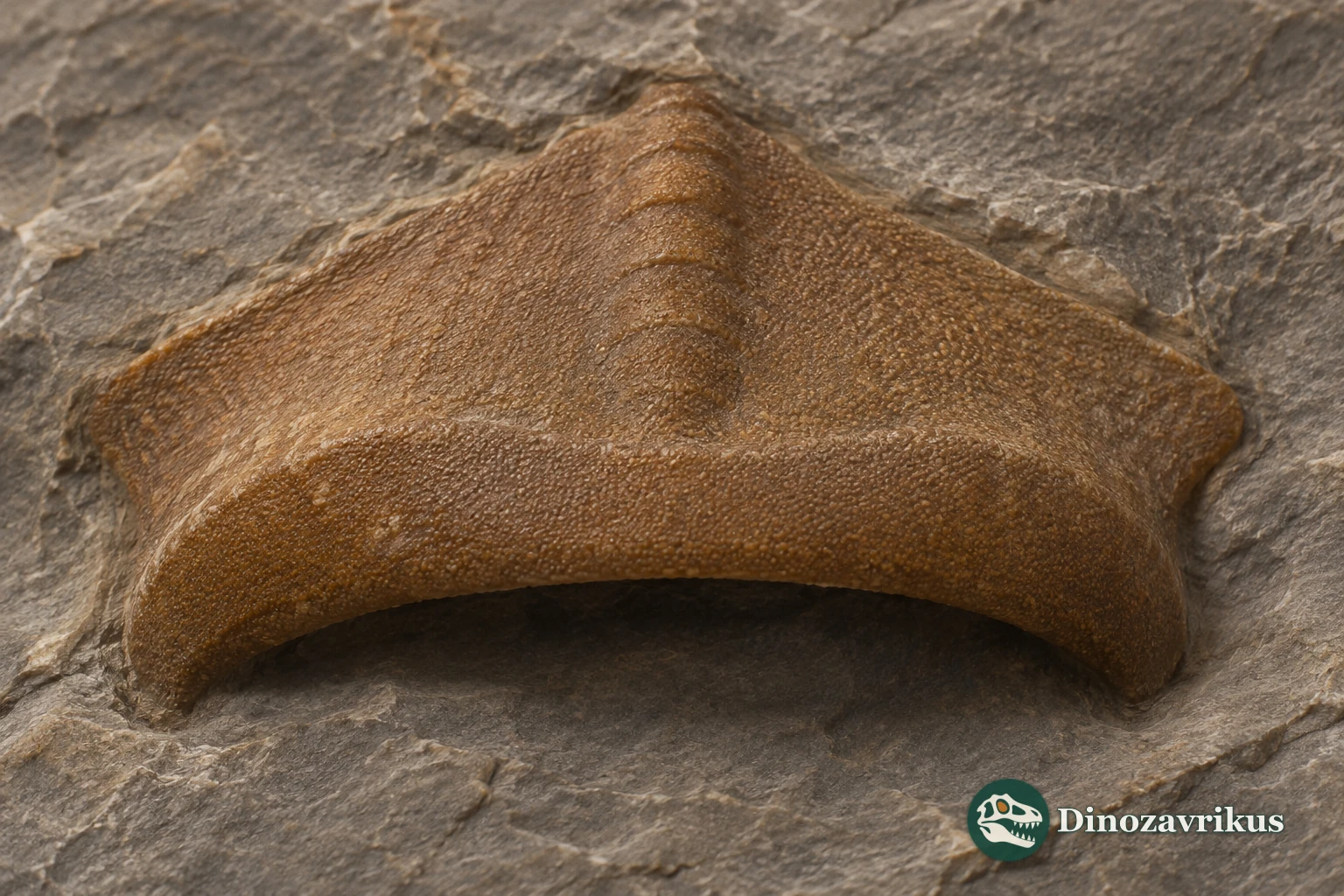
P. typicum has a dense covering of small tubercles. P. hestoni has a fine granular surface on its pygidial rings.
Their order helps define fossil zones. First occurrence in a section records the first level where a species was found at that location.
The head shield and cheek spines
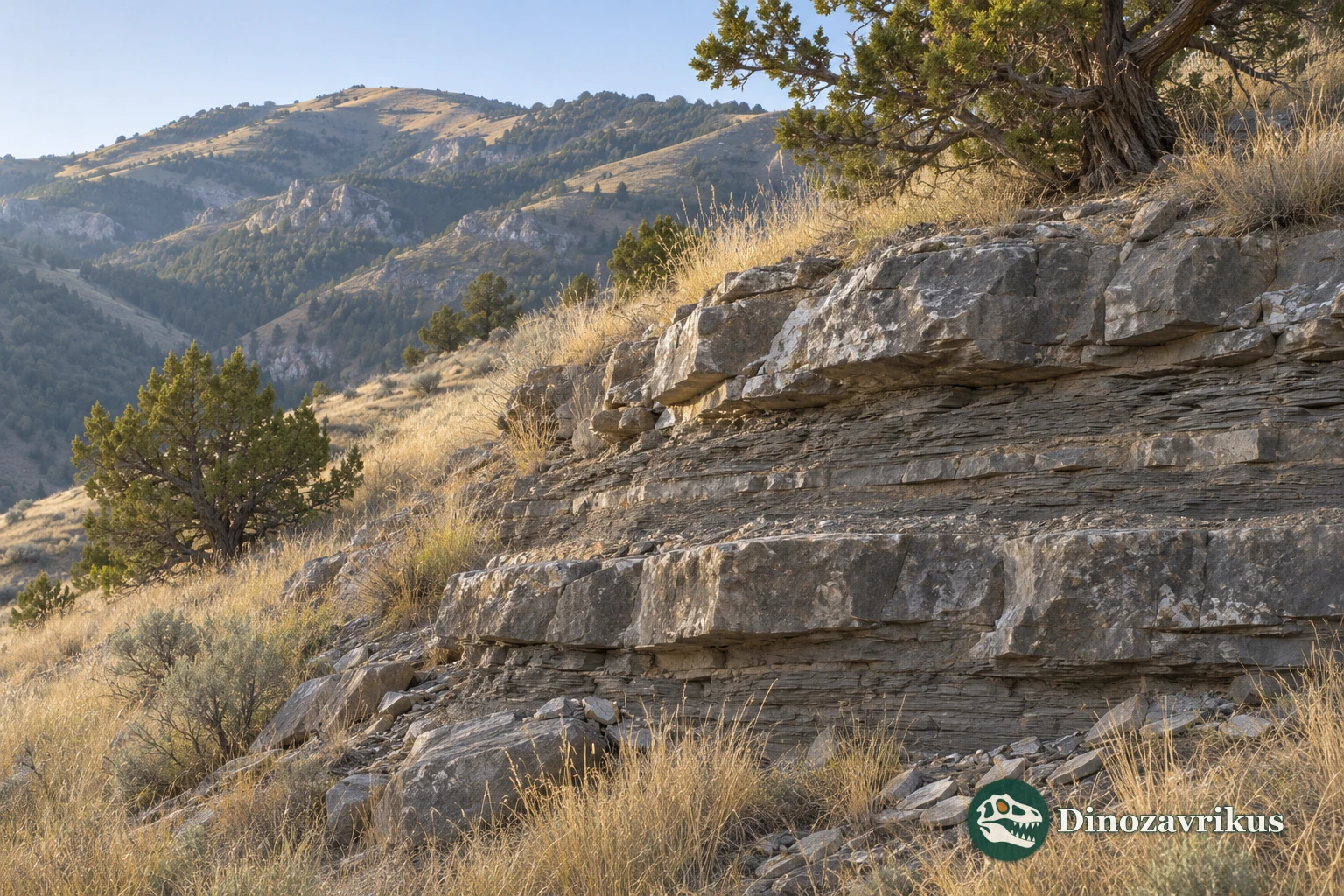
Reuben James Ross erected Psalikilus in 1951 from Early Ordovician material of the Garden City Formation. The type species, P. typicum, is known from the Hillyard Canyon area of the Bear River Range in southeastern Idaho. Later sampling recorded fossils at precisely measured levels of the section.
Species of the genus have a wide free cheek, a tall eye and usually a long, curved genal spine. In several species a groove from the cheek margin extends down the spine. The position of the occipital node and the relief around the eyes help describe the central head shield. Forward-set eye lobes are especially useful when comparing another hystricurid, Parahystricurus.
Two species from Idaho
The holotype of P. hestoni is cranidium SUI 115419 from the Garden City Formation. Its cranidium is more trapezoidal in dorsal view than the more nearly square one of P. typicum, and the middle of the occipital ring is flatter. Both carry the hind cheek groove onto the genal spine, with a broader groove at the base of the spine in P. hestoni.
The tail offers a separate comparison. The axial rings of P. typicum are crowded with small tubercles. Those of P. hestoni have a fine grain, and the rear of the shield turns down to form a steep border. Several distinctive features are therefore available even when head and tail pieces occur separately.
How a species becomes a marker
P. typicum was recovered at 203.5 m in section HC6 in Idaho. Higher in that section, the level at 205.5 m yielded P. hestoni and became the reference level for the base of its zone. At Ibex, Utah, P. pikum occurs higher in the regional succession. It was recorded at every sampled horizon within the zone named for it.
The 2009 revision identified P. pikum as the youngest known member of the genus. Its ending range in the Ibex section helped refine the upper boundary of the Tulean Stage. The fossil sequence is a tool for correlating regional deposits across separate outcrops.
Frequently asked questions
What is the type species of Psalikilus?
P. typicum from the Early Ordovician Garden City Formation.
What are the long projections at the sides of the head?
They are genal spines extending from the rear corners of the free cheeks.
How does the P. hestoni tail differ from that of P. typicum?
P. hestoni has a finely granular surface on the axial rings. Those of P. typicum are covered with crowded small tubercles.
Why do some fossil zones use Psalikilus species names?
The successive ranges of particular species mark intervals that can be recognised and compared between sections.