

Psephosthenaspis is a North American trilobite known from Middle Ordovician deposits. Its Utah species occur in a consistent order in the rock section. Silicified fossils from the Kanosh Formation preserve internal surfaces and make it possible to compare the younger material with fossils from the underlying Juab Formation.
Quick facts
| Group | Trilobita, Bathyuridae |
|---|---|
| Age of the Utah material | Middle Ordovician, Dapingian |
| Genus established | Harry Whittington, 1953 |
| Type species | Psephosthenaspis strenuus |
| Type area | Saint-Antoine-de-Tilly, Quebec, Canada |
| Kanosh material | Cranidia, free cheeks and pygidia |
What can the fossils tell us?
At Ibex, microspinosa is followed by pseudobathyurus and then glabrior.
Silicified cheeks preserve the outer surface and parts of the underside.
Head parts in the two collections appear similar. The variation in the tail remains open to more than one species interpretation.
The Quebec type and the Utah succession
Harry Whittington established the genus in 1953, with Billings’s Bathyurellus strenuus as its type species. The type material came from a boulder at Saint-Antoine-de-Tilly, Quebec. A younger set of discoveries in western Utah showed how the species occur through a stratigraphic section.
In the Juab Formation near Ibex, Richard Fortey and Mary Droser recognised P. microspinosa below P. pseudobathyurus, with P. glabrior higher in the section. Another study correlated the base of the type Whiterockian in Nevada with the glabrior Subzone at Ibex.
What silicified pieces from Fossil Mountain reveal
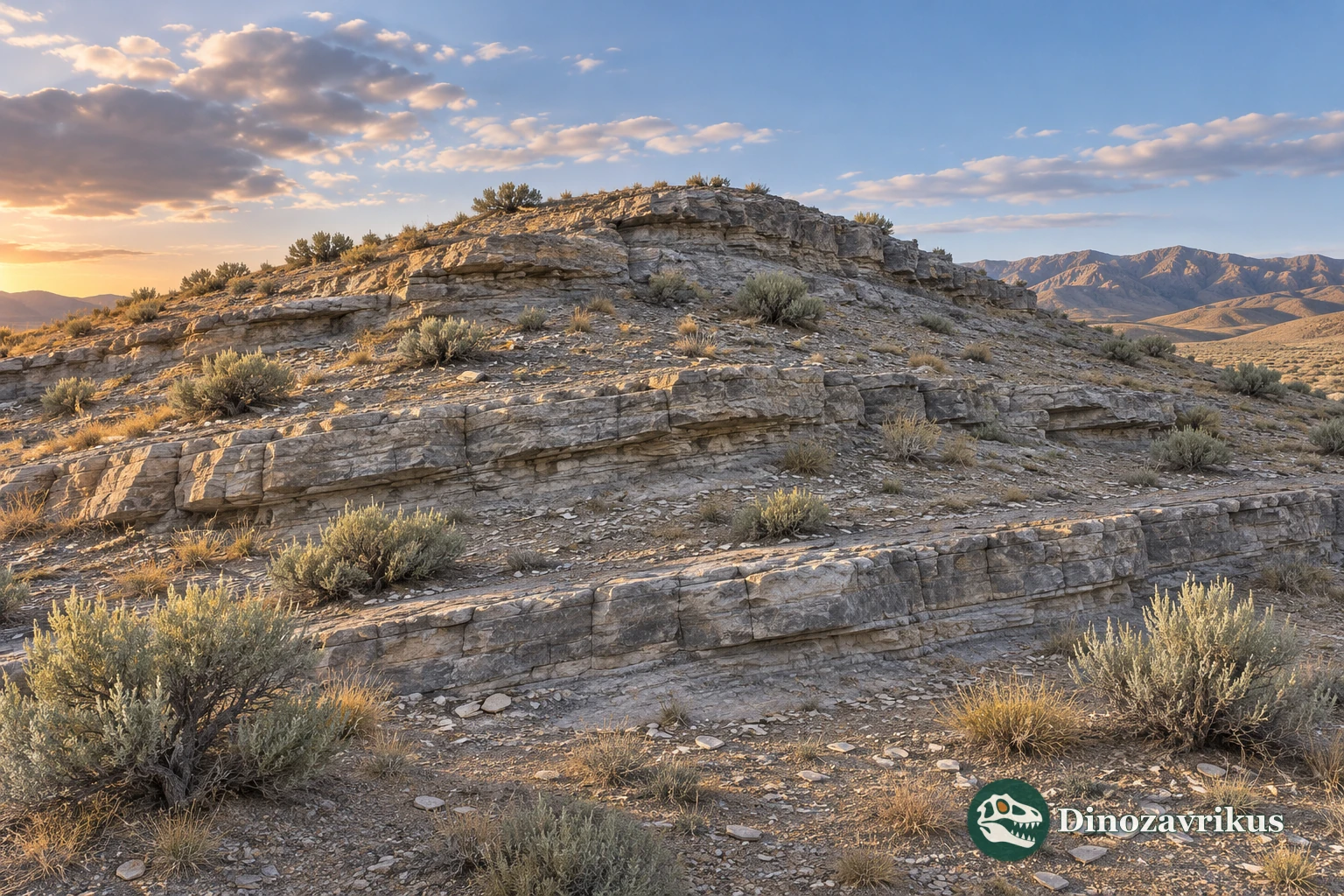
P. glabrior was originally described from two cranidia, a free cheek and three tail shields in the upper Juab Formation. A later study illustrated silicified material from sample K-1 at the base of the Kanosh Formation. Small blocks of loose rock lay in a line along the bed near Fossil Mountain, locating the source of the fossils.
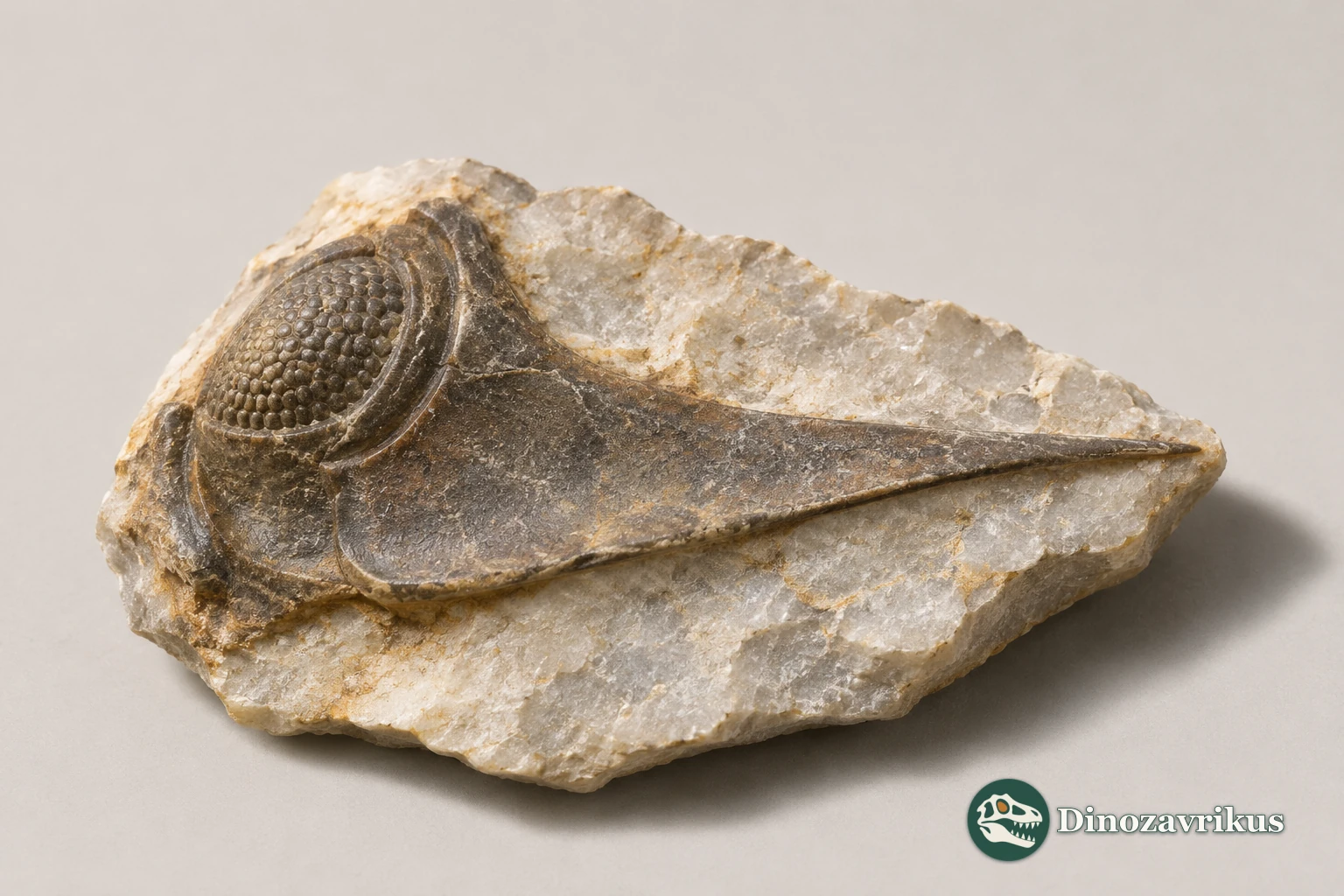
The cranidia preserve the broad anterior part of the glabella and large eye lobes. Free cheek SUI 129344 preserves a blade-like spine. Silicification exposed internal surfaces as well, so parts of the shell can be studied from below.
Where the species and genus boundaries lie
Some Kanosh tail shields have fainter furrows than Juab specimens of similar size. The authors considered whether the younger tails might represent another species. They kept the two samples together because they found no clear difference in the cranidia or free cheeks.
An earlier classification had united this genus with Aponileus on similarities including the broad glabella and cheek spine. The later comparison separated them and placed the closest likely relatives among older forms comparable to Acidiphorus.
Frequently asked questions
Which species is the type?
Psephosthenaspis strenuus, first described by Billings under a different genus.
Which species comes first in the Utah sequence?
Psephosthenaspis microspinosa occurs lowest in the studied Juab sequence.
What is preserved in the silicified Kanosh material?
Cranidia, free cheeks and pygidia, some preserving the internal surface as well.
How do the Kanosh tails differ from those in the Juab sample?
Some of their furrows are weaker even where the shields are of comparable size.