

Pseudocemophora was a fossil snake described from Thomas Farm in Florida. Its vertebrae combine an elongated centrum, a low neural spine and a pronounced ridge underneath. These characters were used to compare the fossils with living relatives of kingsnakes.
Quick facts
| Group | Snakes (Serpentes), colubrids |
|---|---|
| Age | Miocene |
| Region | North America, United States |
| Type species | Pseudocemophora antiqua |
| Scientific name | Pseudocemophora |
| Diet | No direct evidence |
What can the fossils tell us?
The vertebra was collected at Thomas Farm in 1954. The same series included four less complete vertebrae.
Bone proportions and the shape of the ventral ridge help distinguish these fossils from the vertebrae of similar snakes.
The fossils resemble two living genera, and their exact relationship remains unclear. Isolated bones do not establish total length.
Where the type material was found
Walter Auffenberg collected the material in March 1954 and named Pseudocemophora antiqua in 1963. The nearly complete precaudal vertebra UF 6458 is held by the Florida Museum of Natural History. Thomas Farm dates to the early Miocene, around 18 million years ago. The type vertebra of Anilioides, another snake with a distinctive ridge, comes from the same locality.
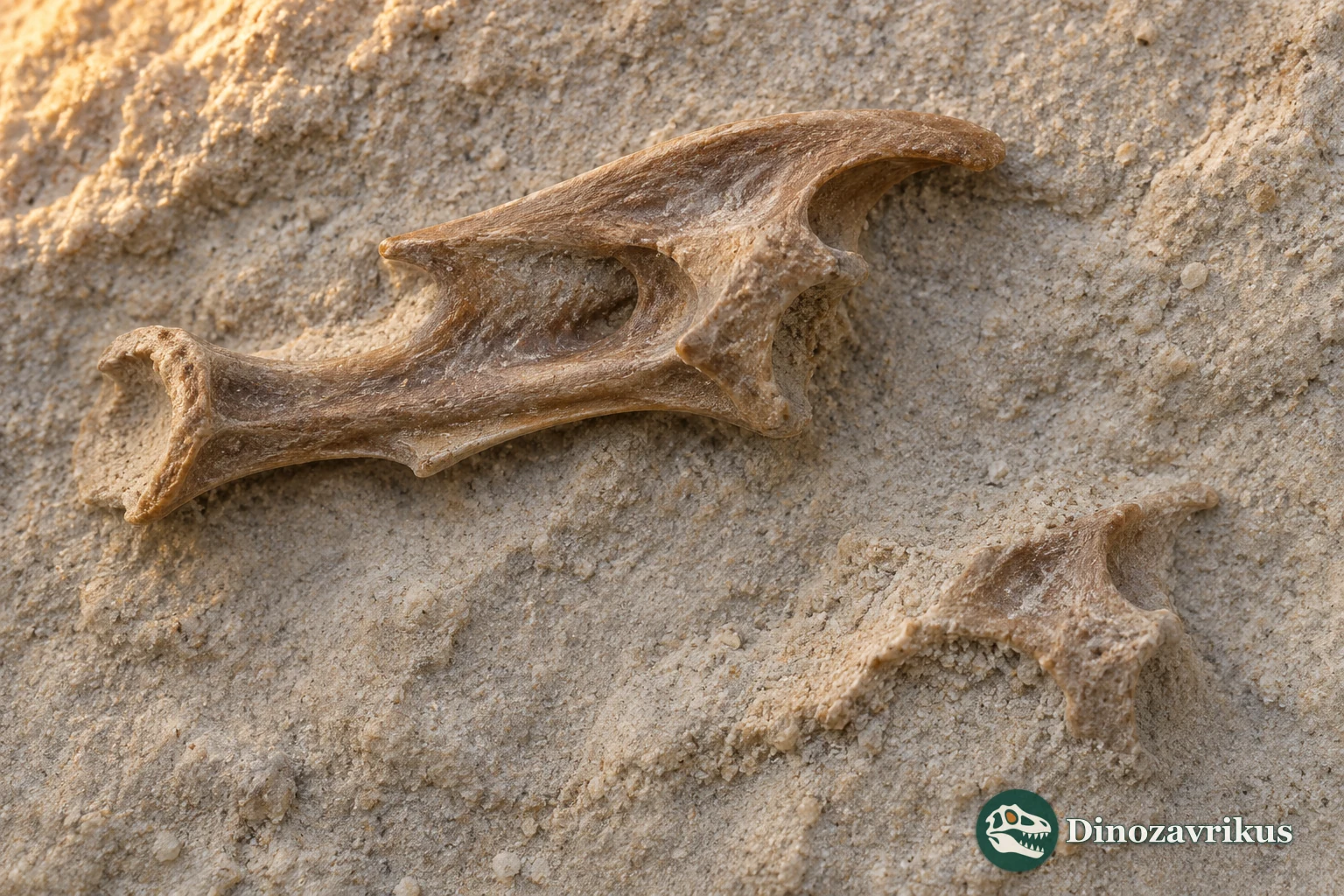
The diagnostic features
The neural spine is long and low and projects slightly over the rear of the arch. A narrow keel runs along the underside of the centrum. Deep grooves separate it from the ridges to either side. The vertebrae are longer and have lower neural spines than those of living Cemophora, differences that helped justify naming a separate genus.
How it compares with living snakes
Auffenberg compared the vertebrae with those of Cemophora and Lampropeltis. Further comparisons confirmed the resemblance to both, leaving the exact relationship open. Similar fossils have also been reported from Wyoming. Comparisons between localities rely on the proportions and details of the same parts of the vertebra.
Frequently asked questions
When was Pseudocemophora described?
Auffenberg named the genus and species in 1963 from the Thomas Farm fossils.
Which specimen is the holotype?
UF 6458, a nearly complete vertebra from in front of the tail.
What is distinctive about the neural spine?
It is low and elongated and overhangs the back of the arch slightly.
Do we know its colour pattern?
The vertebrae preserve bone shape. They provide no record of skin colour or pattern.