

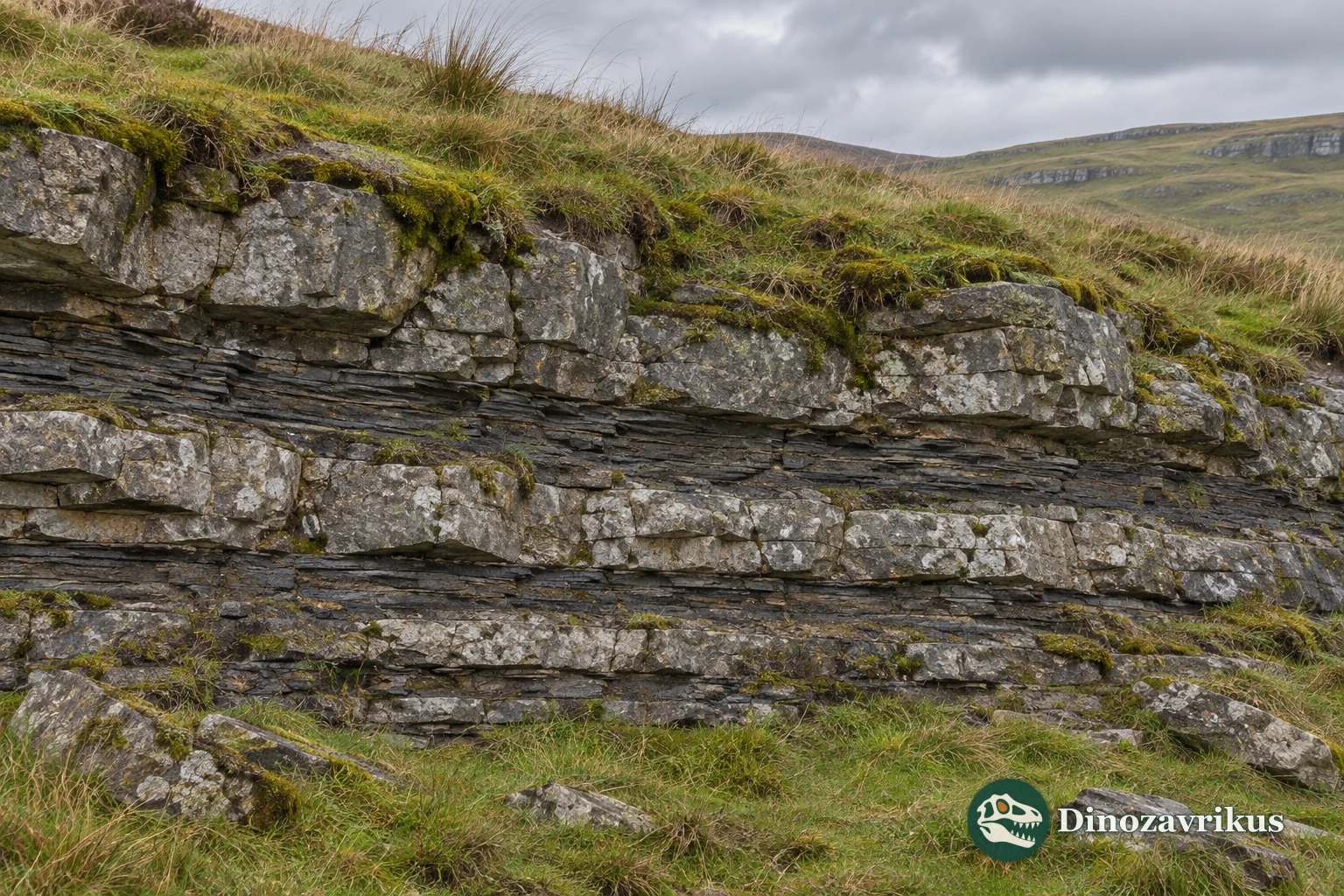
Semiproetus is a trilobite name based on Early Carboniferous fossils from Lancashire. The type series includes the central part of a head shield, a tail shield with an attached segment and moult material. Comparisons of these parts have led to several classifications of the type species.
Quick facts
| Group | Trilobita, proetids |
|---|---|
| Age of type material | Early Carboniferous |
| Type species | Semiproetus twistonensis |
| Name established | F. R. C. Reed, 1943 |
| Type locality | Twiston, Lancashire, England |
| Fossil evidence | Cranidia, tail shields and moult remains |
What can the fossils tell us?
The published lectotype is a central head-shield fragment. Another specimen links the tail shield with a single thoracic segment.
Those structures can be compared among proetids. Similar ridges also occur in other genera, so the comparisons draw on the head as well.
Moving the type species between genera reflects a change in interpretation of its relationships. The type material remains the same.
The Twiston type series
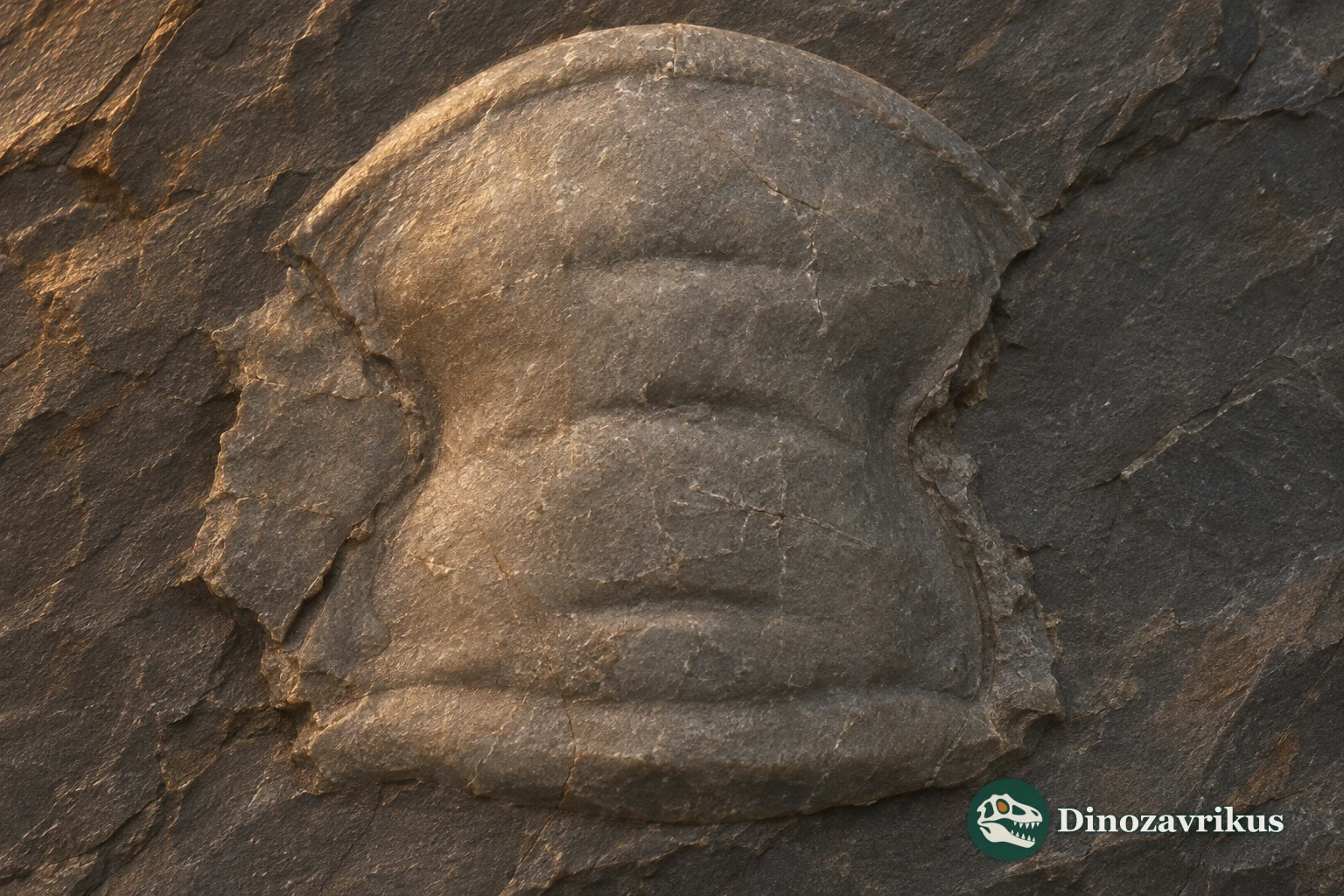
In 1943 Frederick Reed introduced Semiproetus as a subgenus of Proetus. Its type species, S. twistonensis, takes its name from Twiston in Lancashire. Halszka Osmólska illustrated the cranidium SMC E 3600b of the Sedgwick Museum as the lectotype. The paralectotype SMC E 3600a is a pygidium with one articulated thoracic segment still attached at the front.
A cast of material from the same series records a group of shed shell pieces. The arrangement helps tell connected parts apart from fragments deposited together. It leaves the full number of movable segments in the adult unresolved.
What the shield comparisons changed
The Twiston species has a slightly constricted glabella and relatively clear segmentation of the pygidial axis and lateral fields. Osmólska compared these shapes with the Polish ?Phillibole cracoviensis. A 1959 treatment listed the Twiston species as Cyrtosymbole (Semiproetus) twistonensis. Gerhard Hahn's 1965 revision placed it in Phillibole.
Osmólska pointed out that the type species differed from many representatives of Phillibole. She raised the possibility of recognising Semiproetus for a separate group, leaving that question open. Different combinations in the literature can therefore refer back to the same specimen.
A broader use of the name in Moravia
A study of the Mokrá Quarry near Brno reported an articulated exoskeleton and an incomplete head from the latest Tournaisian, assigning them to Semiproetus (Macrobole) drewerensis latipalpebratus. The same assemblage also yielded Liobole. The Moravian material illustrates a broader use of the genus name and represents a different form from the Twiston type.
Frequently asked questions
Where was the type species of Semiproetus found?
It comes from Early Carboniferous rocks near Twiston in Lancashire, England.
What is the lectotype of the Twiston species?
It is cranidium SMC E 3600b in the Sedgwick Museum collection.
Why has the species been placed in different genera?
Revisions have weighted the shapes of the head and tail shields differently when comparing it with other proetids.
Does the type material give a full count of thoracic segments?
One specimen preserves only one segment attached to the tail. The other loose pieces do not establish a full adult count.