

Stenopilus was a Late Cambrian trilobite with a convex head shield and subdued furrows. One fossil is preserved enrolled. It demonstrates movement of the shell, while the animal's usual posture on the sea floor remains a matter of interpretation.
Quick facts
| Group | Trilobites |
|---|---|
| Age | Late Cambrian, Furongian |
| Genus established by | Thomas Clark, 1924 |
| Type species | Stenopilus intermedius |
| Type specimen | MCZ:IP:101220 |
| Type locality | Middle Ridge, Lévis, Quebec |
What can the fossils tell us?
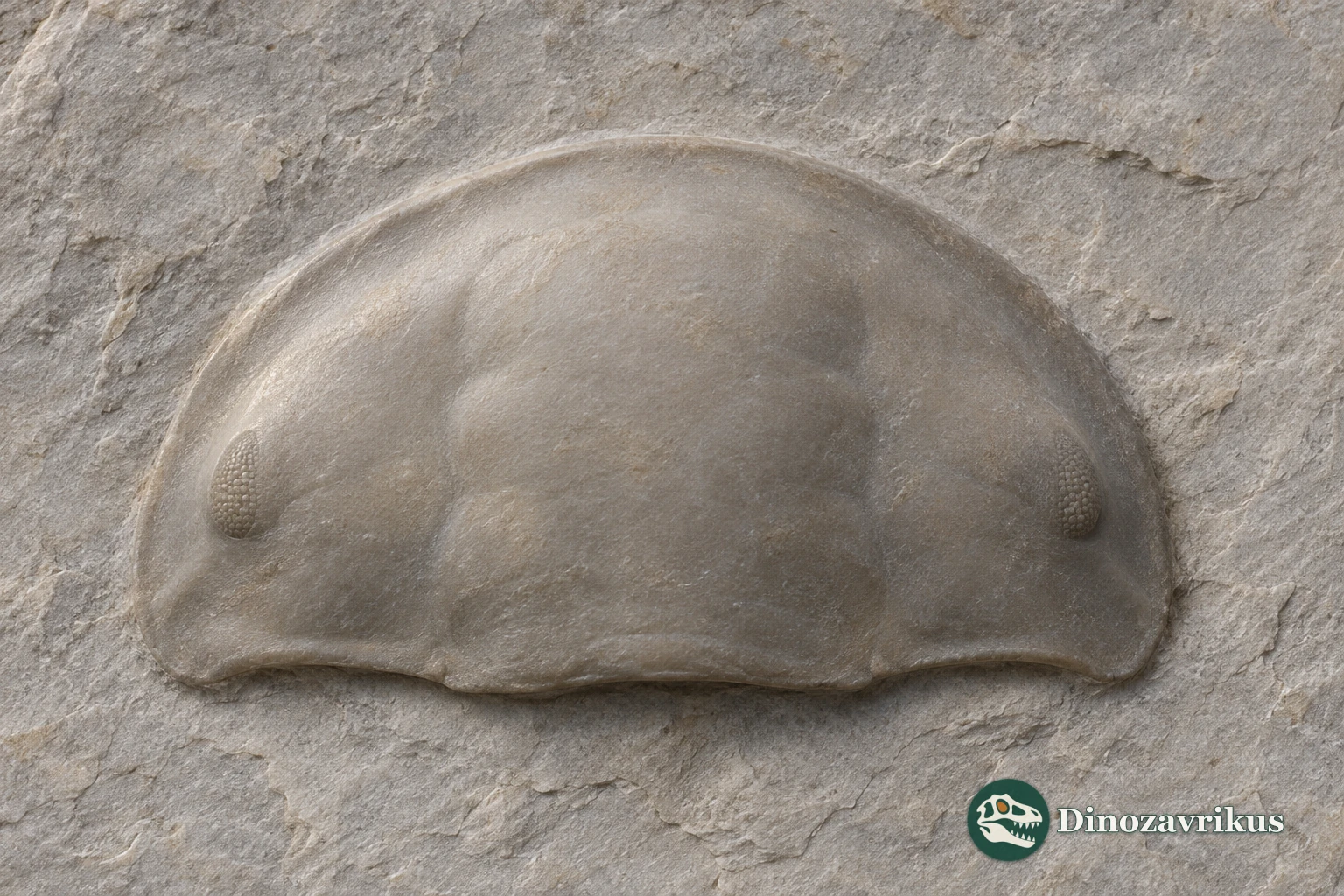
The holotype provides a reference for the shape of the cranidium. Trunk details are studied in other fossils.
A wide doublure and a median suture are visible on fossils. The attachment of the hypostome remains an inference.
The fossil shows how the parts sat when curled. It cannot reveal what triggered enrolment or where the animal spent most of its time.
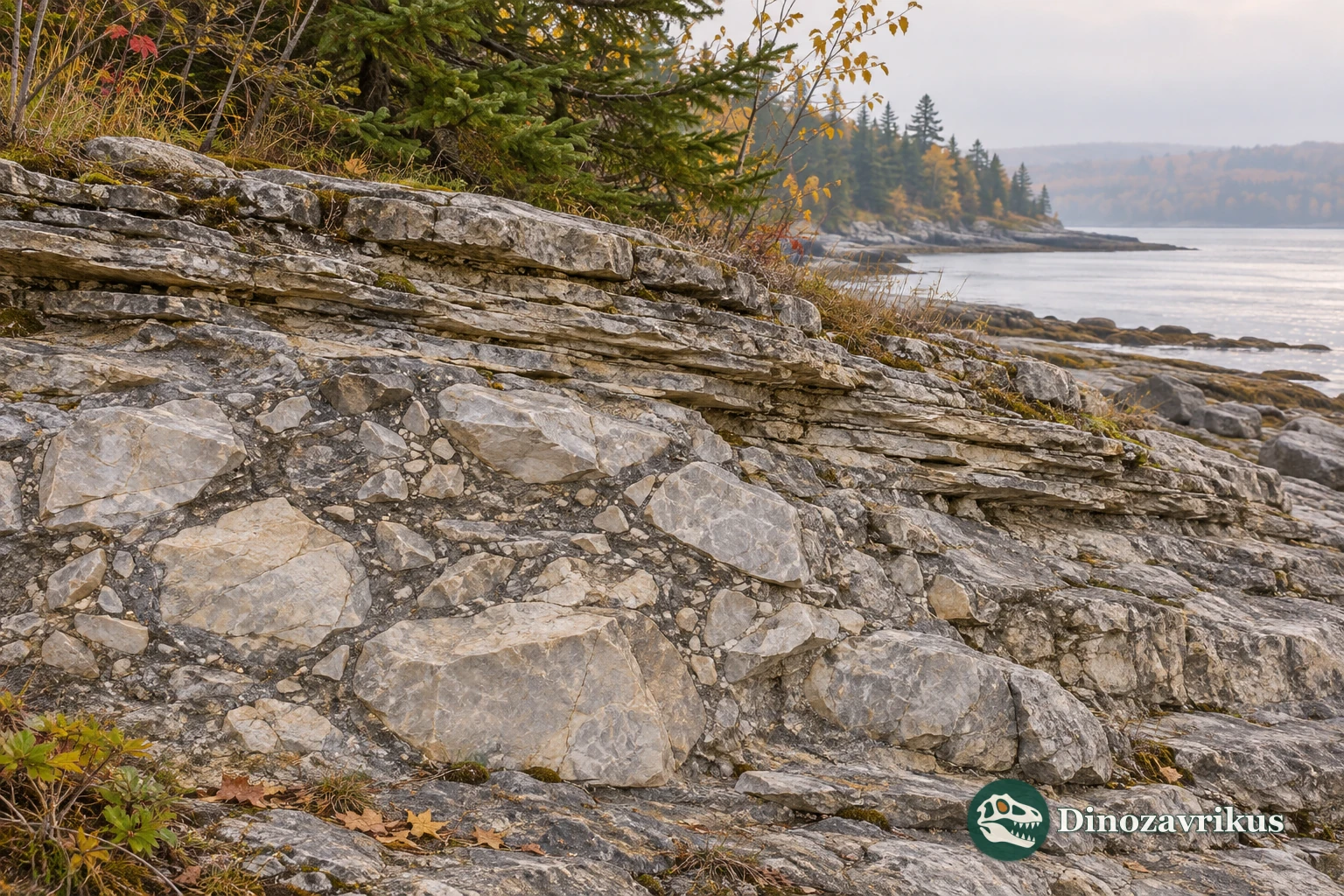
The type species from Quebec
Thomas Clark described Stenopilus intermedius in 1924 from Middle Ridge near Lévis, Quebec. The holotype, MCZ:IP:101220, is held at Harvard University's Museum of Comparative Zoology. A later revision compared material from Quebec, Newfoundland and Vermont.
The central head shield of Stenopilus pronus is longer and more convex than that of the type species. The subdued relief makes isolated furrows difficult to compare. Similar smoothing occurs in Cheilocephalus, where details along the edges of the shields help identify the genus.
A suture beneath the head
Harry Whittington used new and previously known material to describe a wide cephalic doublure, the part of the shell that turns inward below the margin. He also identified a midline suture on the underside. The hypostome, a plate in front of the mouth region, was not found. Whittington inferred that it probably lacked a rigid connection to the front of the head shield.
Enrolment and life on the seabed
Transverse terrace ridges occur on the tail shield of Stenopilus pronus. James Stitt argued that these gave the animal purchase on sediment when burrowing backwards. He related the idea to trunk articulation and specimens reported from limestone containing microbial buildups in Oklahoma.
Whittington re-examined an enrolled specimen and favoured a freely moving animal on the sea floor. The shell shows that this trilobite could curl up. Its preserved position does not establish whether it used the tail shield for digging.
Frequently asked questions
Where is the holotype of Stenopilus intermedius kept?
At Harvard University's Museum of Comparative Zoology as MCZ:IP:101220.
How does the cranidium of Stenopilus pronus differ from the type species?
It is longer and more convex.
What is known about the hypostome of Stenopilus?
The plate itself was not found in the specimens examined. Whittington inferred its likely attachment from structures preserved underneath the head.
Where did the burrowing hypothesis come from?
Stitt suggested that transverse ridges on the tail gave it purchase as it moved backwards into sediment. A later study favoured a mobile animal on the sea floor.