

Suzanniwana was an early Eocene iguanian from North America. Its type species comes from the lower Willwood Formation in the Bighorn Basin. A second species was described from younger beds of the Wasatch Formation.
Quick facts
| Group | Iguanians (Iguania) |
|---|---|
| Age | Early Eocene |
| Region | North America, United States, Wyoming |
| Type species | Suzanniwana patriciana |
| Scientific name | Suzanniwana |
| Diet | No direct evidence |
What can the fossils tell us?
UCMP 167664 is the holotype of the Willwood species. The holotype of the Wasatch species is a fragment of the right jugal.
Features of the jaws and other skull bones help researchers test whether the genus lies near the lineage of living basilisks and their relatives.
The preserved bones do not establish whether the lizard had a crest, what proportions its legs had, or how it moved.
Two ages within the early Eocene
Krister Smith described Suzanniwana patriciana in 2009. Its type series comes from UCMP locality V99019 in the Bighorn Basin. The horizon has been dated to about 55.8–56 million years ago. In 2013, Smith and Jacques Gauthier named Suzanniwana revenanta from the Washakie Basin. The holotype, UCMP 167682, is part of a right jugal. The fossil-bearing beds are estimated to be about 52.8–53.4 million years old.
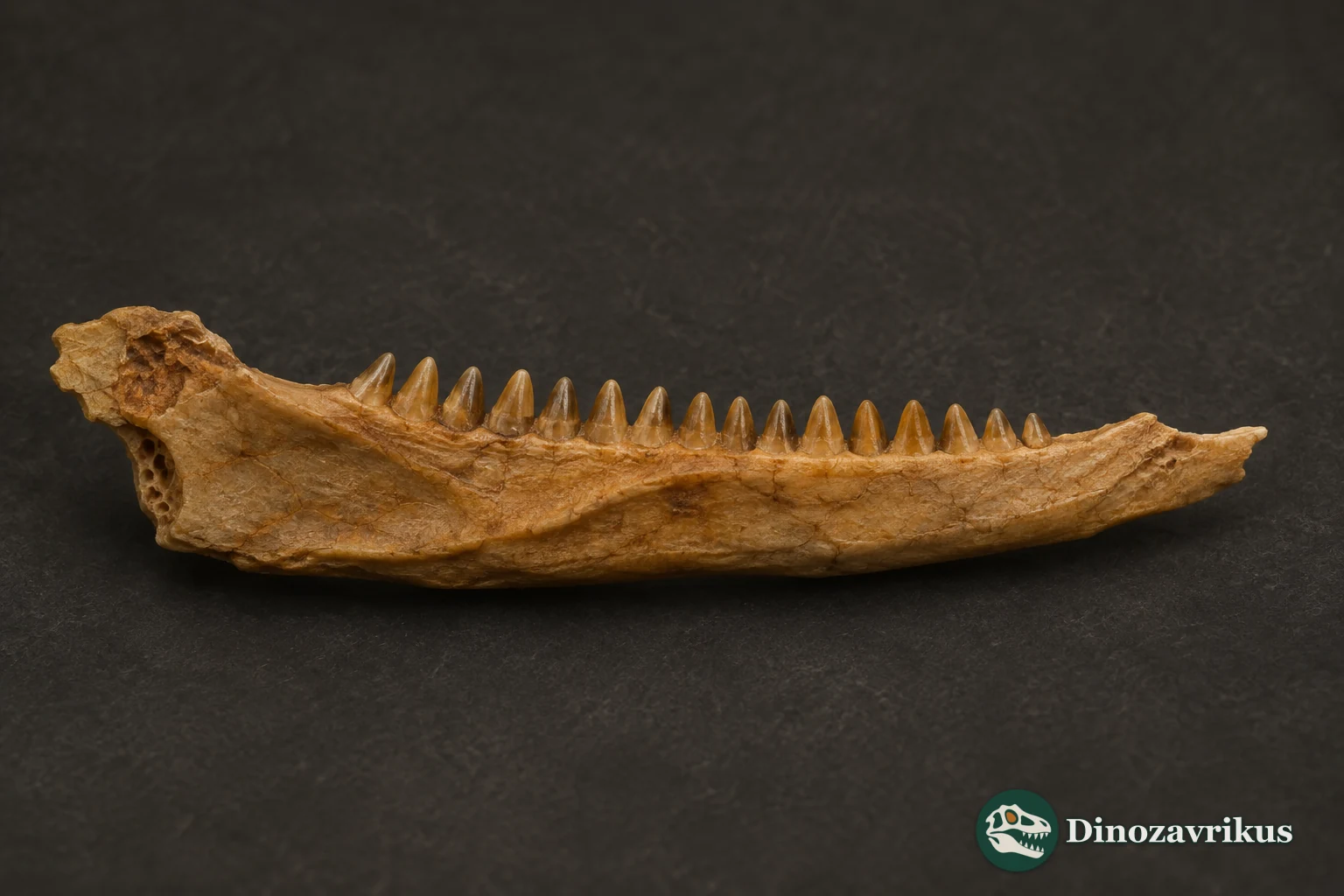
Identifying the bones of the second species
In addition to the jugal, the second species is represented by portions of the premaxilla, maxilla and frontal. Compared with the type species, its premaxilla has a broader process projecting toward the nasal bones and openings on its front surface. The specimens do not make up a complete skull. Individual skull bones also carry comparative information in other iguanians, such as Mimeosaurus.
Where the genus fits among iguanians
Researchers have compared Suzanniwana with early relatives of living basilisks. That proposed relationship rests on characters of the skull. It leaves open whether the lizard had a crest or shared the movements of living basilisks.
Frequently asked questions
Where was the type species found?
It was found in the lower Willwood Formation in Wyoming's Bighorn Basin.
What is the holotype of the second species?
UCMP 167682, a partial right jugal from the Wasatch Formation.
Which species comes from older beds?
The type species, Suzanniwana patriciana, is known from the earliest Eocene.
Can the bones tell us if the lizard had a crest?
The known material is insufficient to establish whether it had a crest.