

Several Permian Triproetus fossils from Oman preserve the exoskeleton rolled almost into a sphere. The tips of the front segments fit beneath the head shield, and the short tail continues the curve of the back. The specimens show how the parts moved into place when the animal enrolled.
Quick facts
| Group | Proetid trilobites |
|---|---|
| Age of principal records | Permian |
| Named by | Teiichi Kobayashi and Takashi Hamada, 1979 |
| Type species | Triproetus subovalis |
| Records | Thailand, Oman, Texas and Svalbard |
| Omani holotype | Enrolled shield NHMUKPI It 29103 |
What can the fossils tell us?
The Omani species has nine moving segments. The tips of the first five are tucked under the back of the head in enrolled fossils.
In the Omani species its length is about 60% of its width. Six or seven ribs are visible on either side of the axis.
Fossils place the limestone in the Kungurian–Roadian interval. The block’s present location cannot show where the trilobite lived.
From the Thai type species to West Texas
Teiichi Kobayashi and Takashi Hamada described Neoproetus (Triproetus) subovalis in 1979 from Asselian beds in northern Thailand. They originally used Triproetus as a subgenus. David Brezinski treated it as a genus in 1992 and named three species from the early Permian of West Texas.
The Texas species belong to the earlier of two regional Permian trilobite assemblages. Delaria occurs in the later assemblage. Brezinski interpreted the turnover in terms of sea-level changes and shifts in available habitat.
How the Omani exoskeleton closed
Richard Fortey and Alan Heward described T. bonbon in 2015. The almost complete enrolled holotype, NHMUKPI It 29103, is held at the Natural History Museum in London. Its shape reminded the authors of a boiled sweet, giving the species its name.
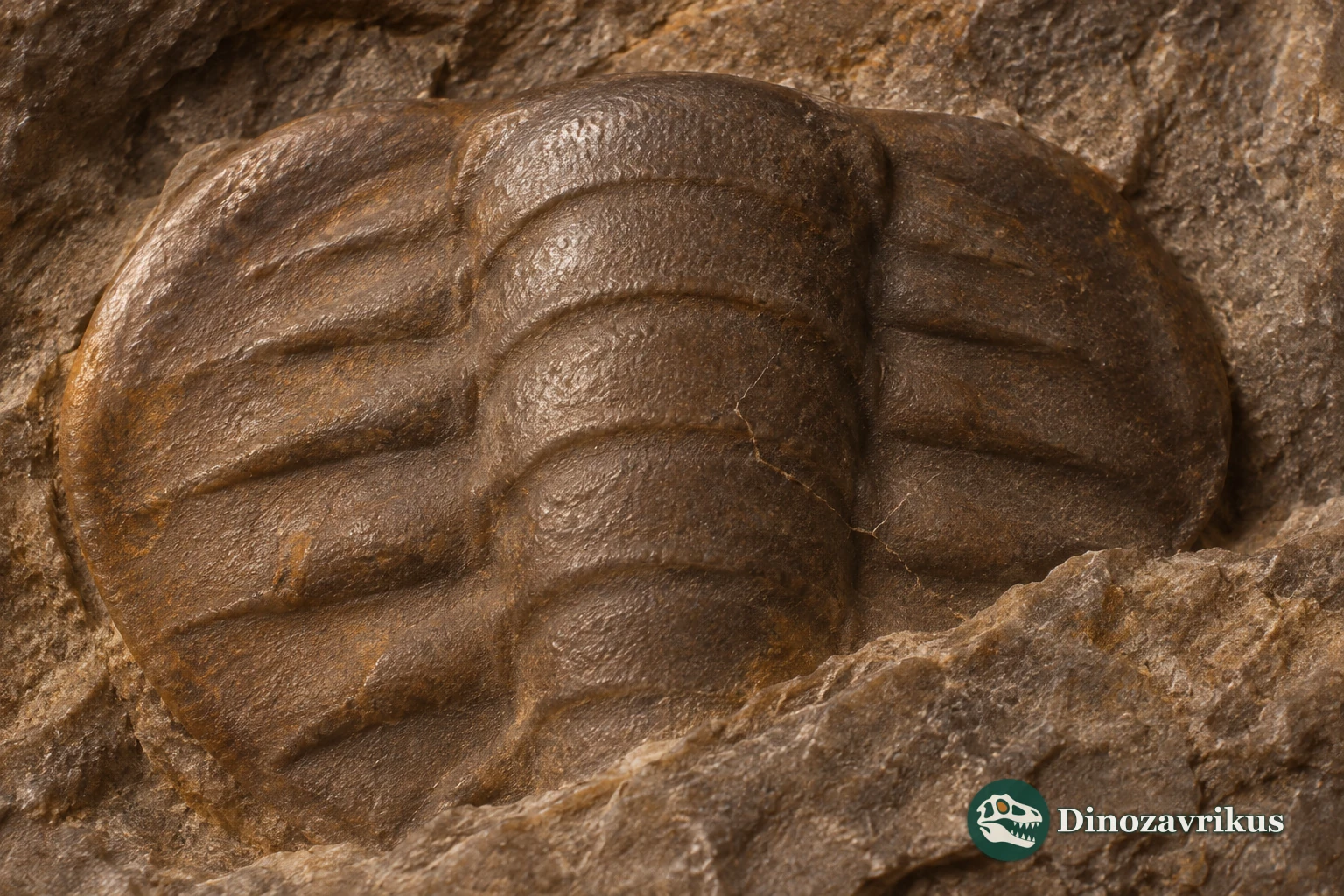
The trunk has nine segments. As the animal enrolled, adjacent segments overlapped and the tips of the first five fitted beneath the back of the head. The cheek spines are broken in the enrolled specimens. A separate cheek shows that the spines were stout and triangular.
The tail shield is only about three-fifths as long as it is wide. Six or seven pairs of lateral ribs become shorter towards the rear. The broad, short tail also occurs in other species of Triproetus.
Displaced limestone and later records
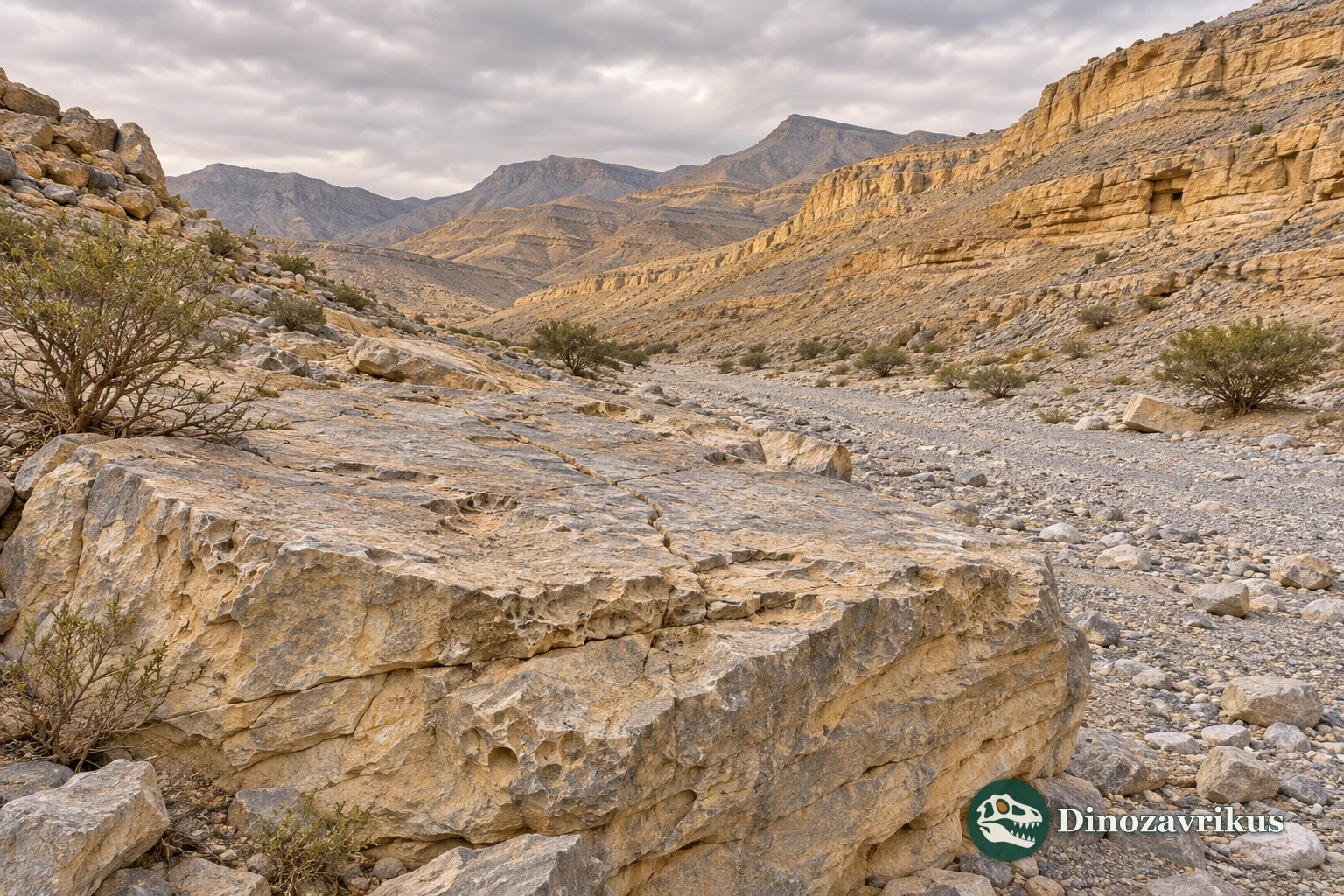
The Omani specimens came from displaced blocks of Qarari limestone in Wadi Khawr al Jaramah. The fossil-bearing rocks are Kungurian–Roadian in age. The present position of the blocks identifies where they were collected and gives limited information about the original habitat.
Later Permian beds in Svalbard preserve T. borealis, which was formerly placed in other genera. A similar tail shield from New Zealand has also been compared with Triproetus, with a less certain assignment.
Frequently asked questions
Where was the type species found?
In Asselian rocks of northern Thailand, from the early Permian.
Why was the Omani species called bonbon?
The tightly enrolled specimens reminded the authors of a round boiled sweet.
How many moving segments did the Omani species have?
Nine. The tips of the first five are tucked beneath the back of the head in enrolled fossils.
How wide is the tail shield?
It is much wider than long. In the Omani species the length is about 60% of the width.