

Villanyia is a small extinct vole named from two molars at Villány-5 in Hungary. The entire original material was dental, and later study revealed that the two teeth do not tell the same taxonomic story. This page therefore focuses on observable crowns, enamel and localities rather than inventing a skeleton, coat or burrowing behavior. The cover is an artistic reconstruction, not a measured portrait of the type animal.
The name matters to European small-mammal chronology because identifications from different fissure fills have often been compared across the end of the Pliocene and the beginning of the Pleistocene.
Quick facts
| Genus | Villanyia Kretzoi, 1956 |
|---|---|
| Type species | V. exilis |
| Group | Arvicoline rodents |
| Type locality | Villány-5, Hungary |
| Original material | Two lower first molars |
| Relevant age | Latest Pliocene to earliest Pleistocene |
What can the fossils tell us?
The two lower first molars from Villány-5 were later interpreted differently. Mayhew argued in 2009 that the tooth earlier selected as lectotype belongs with another vole, prompting a nomenclatural proposal.
A tooth from Osztramos-3 helped describe the enamel of Villanyia. Polish fossils once called Villanyia have contrasting enamel and were referred to Borsodia.
A V. exilis lower molar from Beremend 14 contributes to a fauna near the Pliocene–Pleistocene transition. Its locality does not date every older use of the genus name.
The two teeth and the name
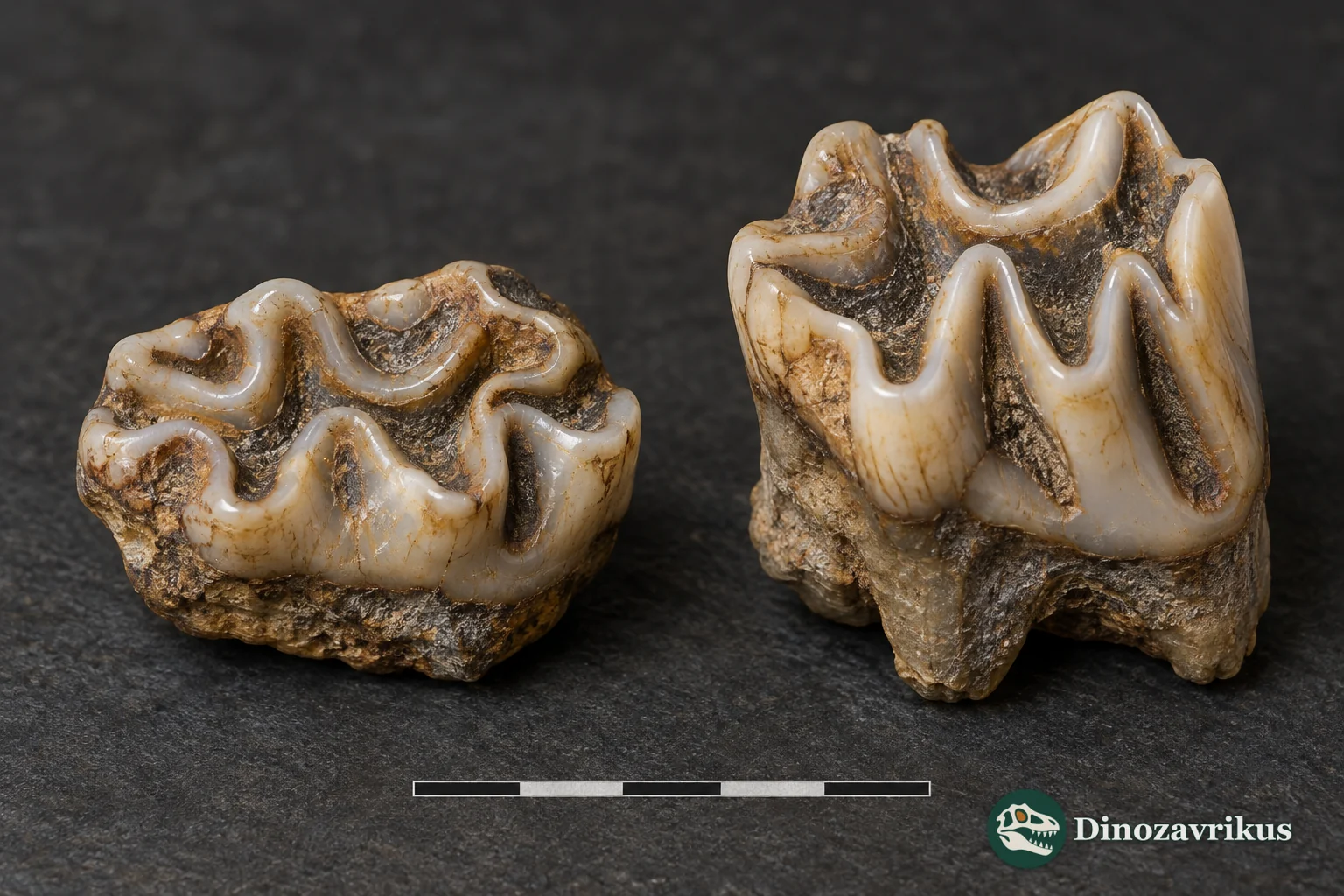
Miklós Kretzoi introduced Villanyia exilis in 1956 on the basis of two lower first molars from Villány-5. The short original account did not figure them in detail. Gerhard Rabeder later selected one as lectotype and described the other as a new species, Cseria ultima.
After cleaning and re-examining both originals, David Mayhew concluded in 2009 that Rabeder's selected lectotype matches Clethrionomys kretzoii, whereas the other tooth better fits the long-used concept of V. exilis. A proposal was made to the International Commission on Zoological Nomenclature to conserve usage. The proposal itself should not be mistaken for a final ruling. Mimomys provides another vole comparison in which detailed molar characters matter.
Enamel structure and a narrower genus
Mayhew studied a further tooth from Osztramos-3, close in age to Villány-5, to characterize Villanyia enamel. He compared it with material from Rębielice Królewskie in Poland that had historically been called Villanyia. Those Polish teeth show different enamel features and were referred to Borsodia. The old name had covered more than one lineage.
At Beremend 14, a 2016 faunal study reported one lower first molar as V. exilis. Its wear surface was measured at 2.30 millimeters long. That number describes one crown, not the length of a whole vole. The specimen lacks cementum and some folds present in other arvicolines. One tooth demonstrates an occurrence in a deposit, not regional abundance.
A narrow time interval, broad uncertainty
Accepted V. exilis occurrences cluster near the latest Pliocene and earliest Pleistocene. The geographic name Villány also gave rise to the Villanyian faunal stage, but not every vole from that interval belongs to Villanyia. Old assignments must be checked against type material and enamel anatomy. The broader geological transition is covered in the Quaternary period profile.
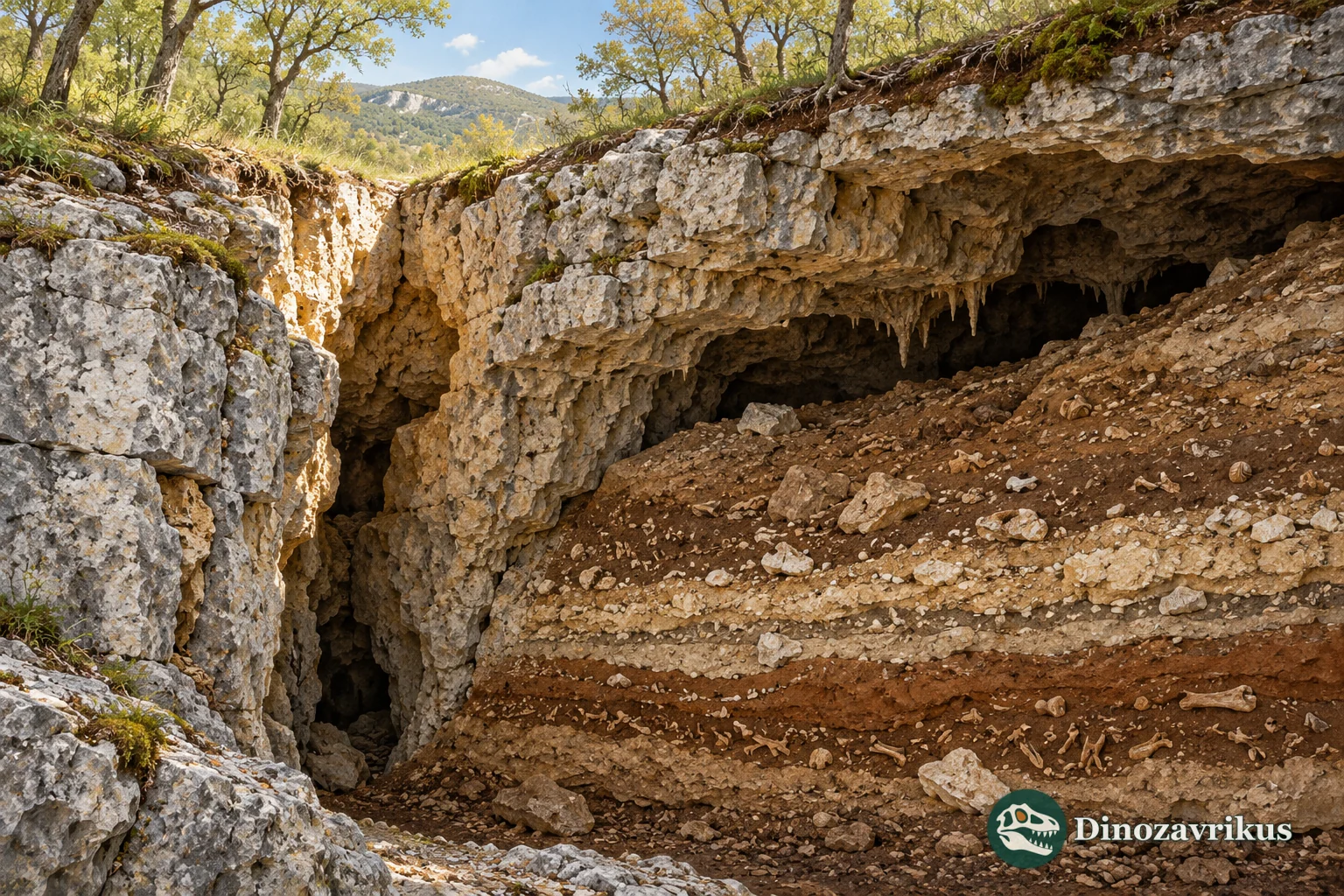
No complete skeleton, body mass, coat pattern or precise food list follows from these molars. A digging habit has been suggested by comparison with other voles, not observed in a Villanyia skeleton. Hypnomys, another extinct rodent, is known from much more complete cave skeletons, which illustrates the difference in available evidence. The fissure landscape shown here is interpretive artwork rather than a record of Villány-5.
Frequently asked questions
Where were the original Villanyia exilis teeth found?
Both lower first molars came from Villány-5 in Hungary and were used by Kretzoi to name the species in 1956.
Why is the type material disputed?
A later-selected lectotype was interpreted by a 2009 revision as another vole, whereas its paired original tooth better matched prevailing Villanyia usage.
Can any small fossil vole molar be called Villanyia?
No. Crown pattern and enamel structure must be compared; several old assignments were moved to Borsodia.
Is a full Villanyia skeleton known from these studies?
The discussed type and comparative evidence consists of teeth, which cannot establish the complete body or coat.