

Waincophis is a fossil snake from South America. Its type species was described from a single trunk vertebra from Patagonia. Brazilian finds show how much the vertebrae assigned to different species vary in height and width.
Quick facts
| Group | Snakes (Serpentes) |
|---|---|
| Age | Eocene and Miocene |
| Region | South America, Argentina and Brazil |
| Type species | Waincophis australis |
| Scientific name | Waincophis |
| Diet | Diet unknown |
What can the fossils tell us?
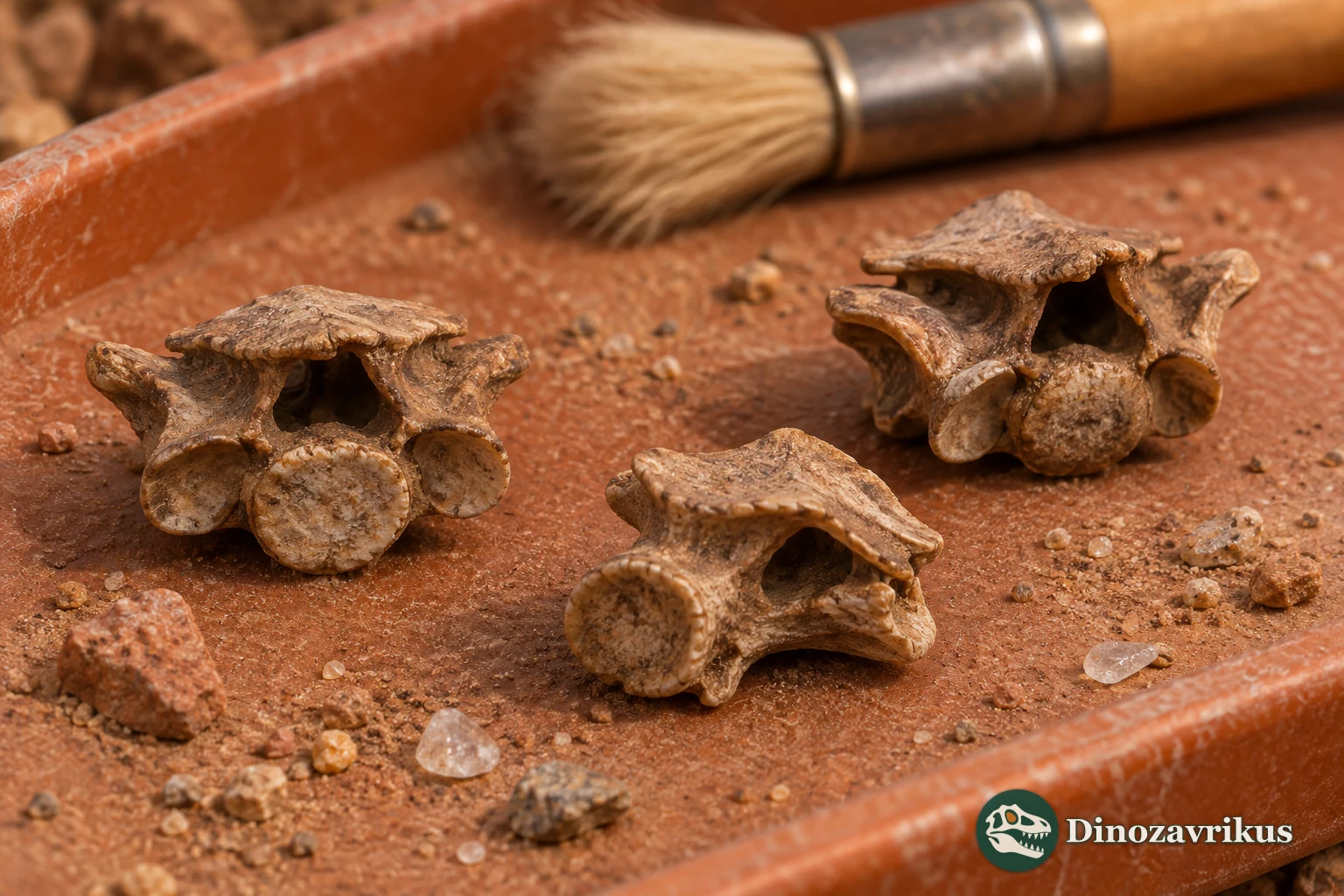
The type species was named from a trunk vertebra. Vertebrae from Brazil provided the basis for two additional species.
Waincophis cameratus has a higher vertebral arch and a shorter neural spine than Waincophis pressulus.
The Miocene vertebra from northern Brazil was assigned to the genus. Its species remains uncertain.
The Patagonian type species
Adriana Albino named Waincophis australis in 1987 from a trunk vertebra from the Eocene deposits of Cañadón Hondo in Chubut, Argentina. Small openings beside the front joint socket are among the features studied on this bone. Comparative work on fossil snakes, including North American Boavus, relies on several such traits considered together.
Two species from Itaboraí
In 2001, Jean-Claude Rage named Waincophis pressulus and Waincophis cameratus from the Itaboraí Basin of Brazil. Their vertebrae are larger than those of the type species. In W. cameratus they are less flattened and have a shorter neural spine. The original study dated the deposits to the Palaeocene. Later studies have assigned them to the Early Eocene or near the Palaeocene–Eocene boundary.
Miocene finds
Vertebrae assigned to this genus have been reported from the Miocene of Argentina and the Late Miocene of Acre, Brazil. The Acre specimen LPVCZS/003 is a single trunk vertebra. Its shape supported an assignment to the genus, but did not establish which species it belonged to.
Frequently asked questions
Where was the type species found?
In Eocene deposits in Chubut, in Argentine Patagonia.
Which species were named from Brazil?
Waincophis pressulus and Waincophis cameratus were described from the Itaboraí Basin.
Can the Acre vertebra be identified to species?
It is published as Waincophis sp. Its species-level identity remains unresolved.
Can its full body length be estimated?
The vertebrae can be compared in size. Isolated bones are insufficient for a reliable estimate of total length.