

Archaeopithecus is a small notoungulate from the middle Eocene of Patagonia. Its type species, A. rogeri, is anchored by a fragment of the right upper jaw with premolars and molars. A modern review of more than 200 specimens found that many historical referrals and species names could not be accepted as originally proposed.
The genus is included in the ancient mammal catalogue. Its teeth and fragmentary jaws can be compared with other Patagonian mammals such as Notopithecus and Oldfieldthomasia, without treating those genera as interchangeable evidence.
Quick facts
| Scientific name | Archaeopithecus Ameghino, 1897 |
|---|---|
| Valid species | Archaeopithecus rogeri Ameghino, 1897 |
| Group | Notoungulata; basal typothere in some analyses |
| Age | Middle Eocene; secure records include Vacan and Barrancan subages |
| Range | Chubut Province, Patagonia, Argentina |
| Holotype | MACN-A 10816, a right maxillary fragment with P1–M2 |
| Estimated body mass | About 1.4–2.5 kg in a published regression estimate |
| Main limitation | Most remains are isolated; higher relationships remain unresolved |
What do the Archaeopithecus fossils show?
MACN-A 10816 is a right maxillary fragment preserving P1–M2. It anchors A. rogeri, but its limited anatomy cannot describe the full skull or skeleton.
Vera’s 2017 revision examined more than 200 specimens and recognized only A. rogeri as a valid species. A specimen referred to the genus is not automatically part of the type series or proof of a second species.
Records from the Vacan and Barrancan subages of Chubut form the best-supported range. Older or younger reports need renewed stratigraphic and taxonomic assessment before being treated as equally secure.
Phylogenetic analyses place Archaeopithecus near the base of a typothere grouping, but its position falls within an unresolved set of branches. The tree is a hypothesis based on coded characters, not a direct ancestor sequence.
Discovery, names and the type specimen
Florentino Ameghino named Archaeopithecus rogeri in 1897 from Patagonian fossil material. The holotype is MACN-A 10816, a fragment of the right maxilla that preserves P1–M2. It is the specimen to which the species name is objectively attached; it is not the most complete jaw or a complete individual.
The distinction matters because museum collections contain many isolated teeth and fragments historically assigned to the genus. Bárbara Vera’s 2017 revision reviewed more than 200 specimens and reassessed their anatomy, provenance and taxonomic history. The study retained only A. rogeri as a valid species of Archaeopithecus.
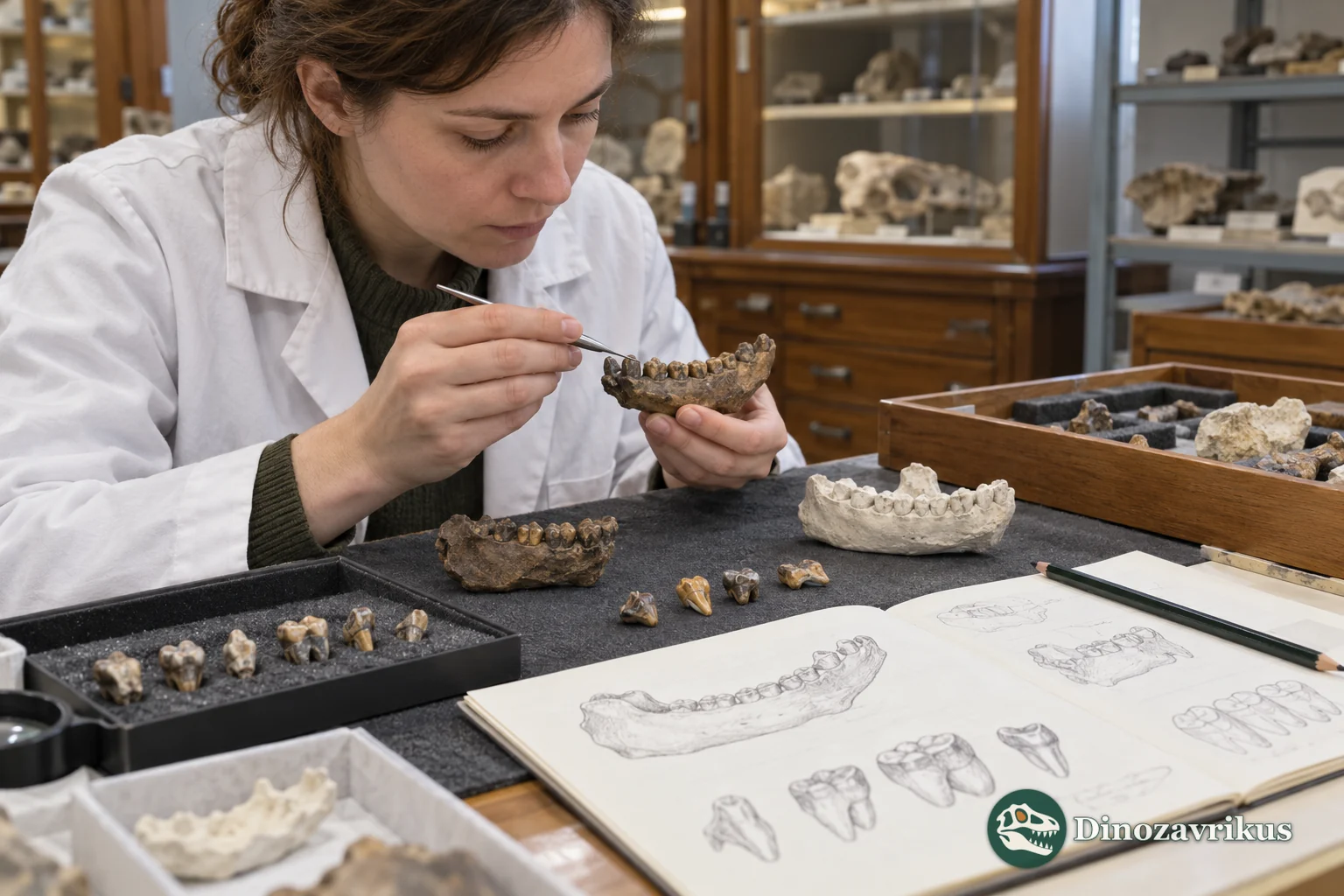
Teeth and what the revision changed
The preserved cheek teeth provide most of the diagnostic evidence. Vera compared crown shape, size and wear across the available material. Some differences once used to name additional species were better explained by variation, wear, or uncertain association between isolated teeth. The revision therefore treated several historical names as synonyms or doubtful names rather than secure species.
A later study of small mammals from the Paso del Sapo area discussed specimens attributed to Archaeopithecus alongside other taxa. Such local faunal lists add useful context, but their identifications remain dependent on the characters preserved in each fragment. A short tooth row can support a genus-level comparison without supplying the missing skull or limbs.
The most complete referred maxillary material is not the holotype. Keeping those specimens distinct prevents an illustration or anatomical description based on a larger jaw from being mistakenly presented as the name-bearing fossil.
Age, locality and body-size estimate
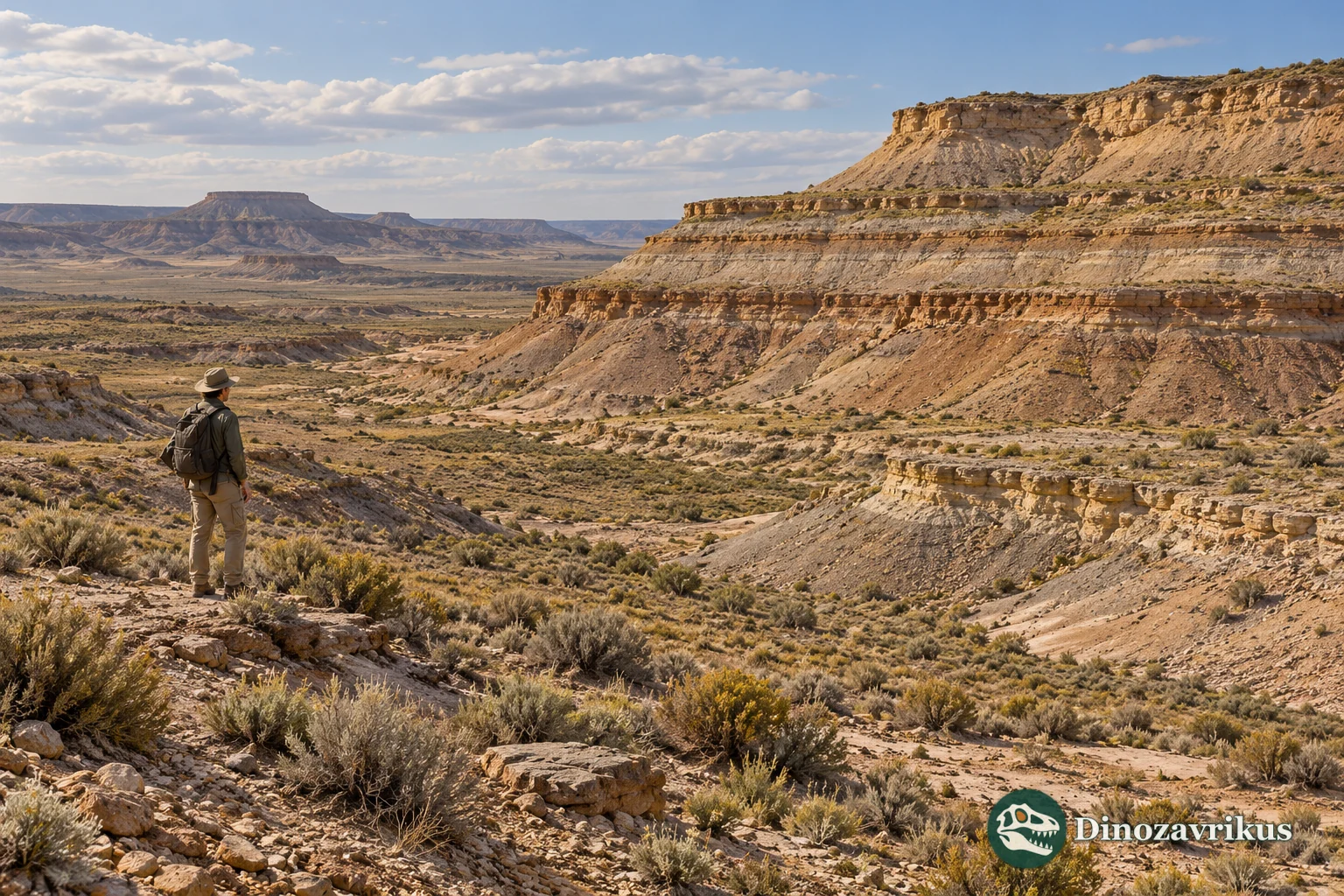
The secure record comes from middle-Eocene deposits in Chubut Province, Patagonia. Vera associated the best-supported specimens with the Vacan and Barrancan subages of the Casamayoran South American land-mammal age. These biochronological units organize regional faunas; they are not exact numerical dates for every specimen.
Reports outside that interval require caution. A fossil’s label may preserve an old locality assignment or a broader formation name that has since been revised. Extending the genus’ range requires checking both the stratigraphic context and whether the specimen carries diagnostic features.
A regression-based estimate places body mass at roughly 1.4–2.5 kilograms. This is a model-derived range based on dental measurements and comparative mammals, not a direct measurement of an animal. The incomplete skeleton means that total length, limb proportions and locomotion remain uncertain.
Classification and limits of reconstruction
Archaeopithecus is a notoungulate and is often discussed among early typotheres. In the phylogenetic analysis accompanying the 2017 revision, it falls near the base of the typothere radiation, but several relationships remain unresolved. The result does not identify a direct ancestor of any later genus.
Its small size and cheek-tooth form can be compared with other early South American mammals, yet a specific diet is not demonstrated by teeth alone. No stomach contents or direct feeding traces are known for this species. The broader environment comes from sediments and associated fossils at each site, not from the isolated jaw itself.
Life restorations necessarily fill gaps in the record. Body outline, fur, colour and behaviour are inferred from comparison with living mammals and related fossils. They should be read as visual hypotheses, while the holotype and revised specimen list provide the direct evidence.
Frequently asked questions
What is the valid species of Archaeopithecus?
The 2017 systematic revision recognized Archaeopithecus rogeri as the only valid species in the genus.
What is the holotype of Archaeopithecus rogeri?
MACN-A 10816 is a right maxillary fragment preserving P1–M2. It anchors the name but is not a complete skull or skeleton.
How large was Archaeopithecus?
A published regression estimate suggests roughly 1.4–2.5 kilograms. This is a model based on measurements, not a direct body-mass observation.
Where and when did it live?
The best-supported remains come from middle-Eocene deposits in Chubut, Patagonia, including the Vacan and Barrancan subages. Other range claims require reassessment.