

Diabolotherium nordenskioldi was an extinct Pleistocene sloth known from Peruvian coastal and Andean fossils. A claw from Trigo Jirka preserved its keratin sheath and supplied a radiocarbon date. Limb anatomy suggests climbing ability, but the cover is an artistic depiction of that hypothesis, not an observed behavior.
The cave evidence belongs to multiple sites and samples. One dated claw must not be used to date every fossil assigned to the genus.
Quick facts
| Group | Extinct ground sloth; phylogenetic placement revised |
|---|---|
| Species | Diabolotherium nordenskioldi |
| Time | Late Pleistocene |
| Places | Peruvian coast and Andean caves |
| Material | Skull, hand and keratin-covered claw |
| Claw date | 29,140 ± 260 conventional radiocarbon years BP |
| Climbing | Functional interpretation of limb anatomy |
What can the fossils tell us?
A reassessment described mobility at the elbow, hip and ankle. This is functional inference from anatomy, not direct evidence of an observed climb.
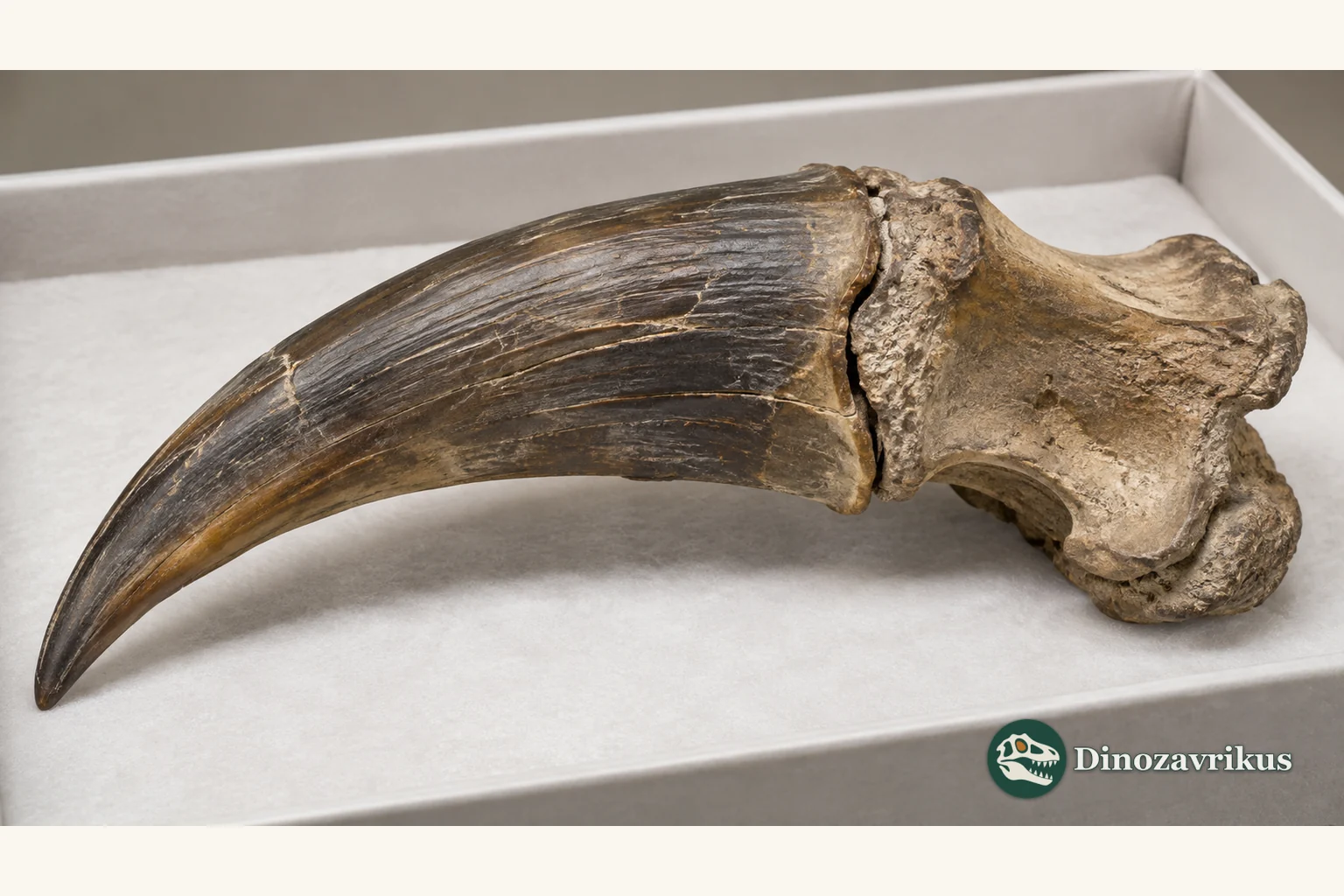
The claw specimen MUSM 1678 retains a keratin sheath. Its collagen yielded a conventional radiocarbon age of 29,140 ± 260 BP, which dates that sample.
The 2007 description placed Diabolotherium in Megalonychidae; a later morphological analysis placed it near the base of Megatheriinae.
A name built from Peruvian material
The species name predates the genus. François Pujos and colleagues reassessed remains from coastal Piedra Escrita and the Andean Casa del Diablo cave and erected Diabolotherium in 2007. Casa del Diablo is a locality name, not a claim about the animal's behavior.
That study assigned the sloth to Megalonychidae. A later morphology-based phylogenetic analysis placed it near the base of Megatheriinae, a lineage that includes Eremotherium. The difference reflects competing analyses of characters; it does not turn this relatively small sloth into a giant eremothere.
What mobile joints permit
Relatively long, slender bones and mobile elbow, hip and ankle joints were compared with other sloths. The range of motion and muscle attachments led researchers to propose rock climbing. Fossils in caves are compatible with that idea but do not directly show a particular individual climbing a vertical surface.
A bone's possible movement is different from the animal's actual daily behavior. Similar caution applies when reconstructing Nothrotherium from its skeleton. Speed and predator avoidance are not measured by these joint surfaces alone.
Cave finds, keratin and radiocarbon
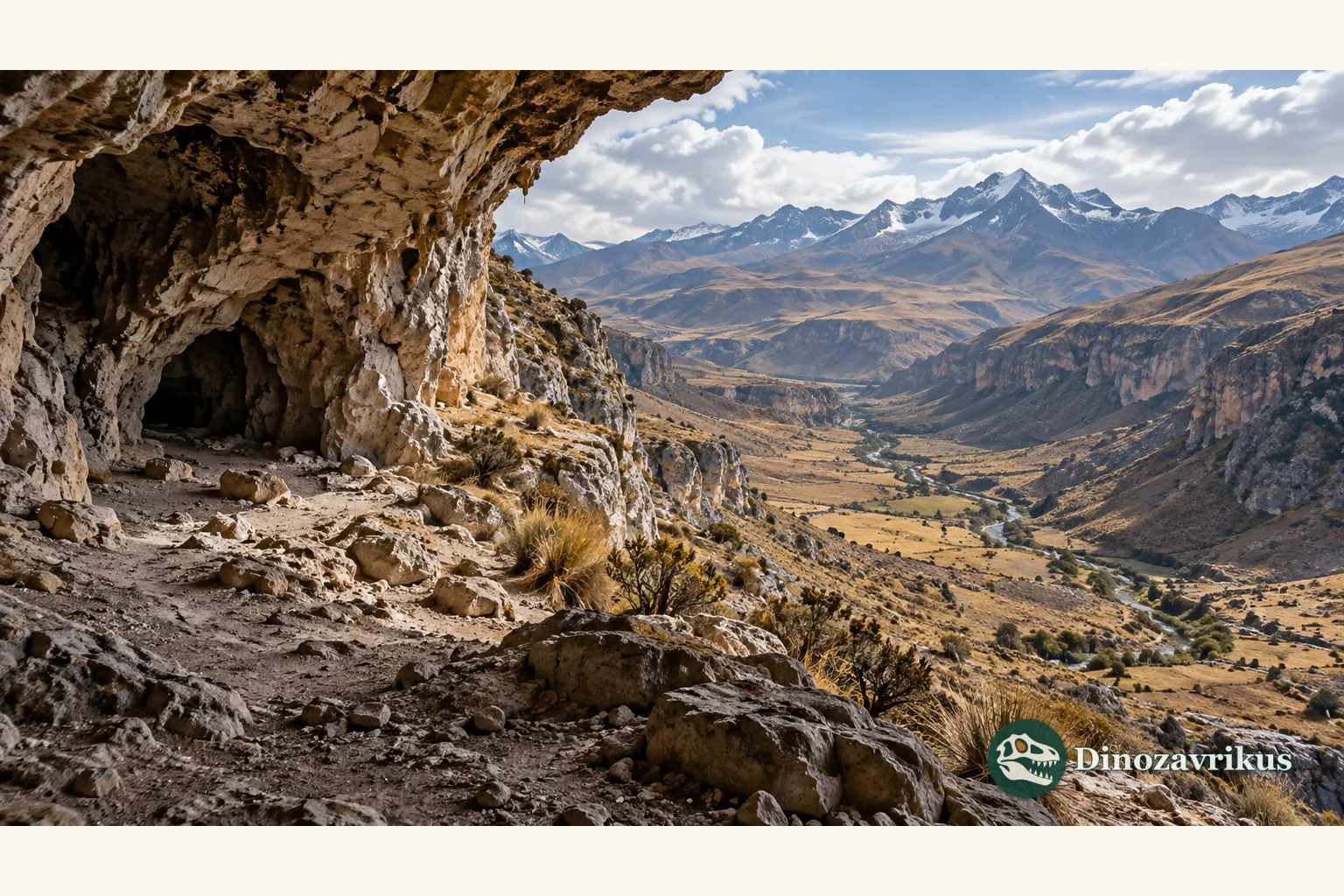
Jatun Uchco yielded a skull and a nearly complete hand. Trigo Jirka produced claw specimen MUSM 1678 with a surviving keratin sheath. Collagen from this claw gave a conventional radiocarbon age of 29,140 ± 260 years before present, and ancient DNA was recovered. Cool, dry, shaded high-elevation cave conditions were proposed to help preserve organics at low latitude.
That number is an uncalibrated radiocarbon result for the tested claw. It is not a calendar-year age without calibration and does not date material from another cave. The finds fall within the late Quaternary, but do not represent a single layer or herd.
Limits of the reconstruction
A keratin-covered claw does not preserve full-body fur color. Pollen or dung in a cave may belong to other animals and cannot automatically be assigned to Diabolotherium's diet. The present finds cannot establish its growth rate, daily climbing frequency or exact coat. New associated skeletons and re-examination of existing collections may refine its relationships.
Frequently asked questions
Could Diabolotherium climb rocks?
Its joints make climbing a plausible functional interpretation, but no direct trace records an individual climb.
What makes the Trigo Jirka claw unusual?
Its keratin sheath survived, and collagen from the same specimen allowed radiocarbon dating.
How old is the dated claw?
The published conventional result is 29,140 ± 260 radiocarbon years BP for that sample, before calendar calibration.
Which sloth family contains Diabolotherium?
The 2007 description used Megalonychidae; a later morphological study placed it near Megatheriinae, so its position has been revised.