

Utaetus is a genus of early armadillos described by Florentino Ameghino in 1902. Its fossil record is especially useful for understanding how names depend on collections as well as new discoveries: a later revision returned to the original type material and reassessed a neotype designated by George Simpson. Osteoderms make up much of the record, although isolated limb bones are also known.
The genus belongs in the ancient mammal catalogue. Other fossil armadillos such as Proeuphractus and Stenotatus provide useful comparisons among armored cingulates, but their plates do not imply that the genera shared an age or lineage.
Quick facts
| Scientific name | Utaetus Ameghino, 1902; type species U. buccatus |
|---|---|
| Group | Cingulata, the armored xenarthrans |
| Age | Eocene; records come from separate regional faunas |
| Range | Patagonia and northwestern Argentina; U. buccatus also occurs in southern Brazil |
| Main evidence | Fixed, movable and semi-movable osteoderms; some limb bones |
| Original type material | MACN-A 11622A: dorsal osteoderms, a metatarsal and a calcaneus |
| Taxonomic caution | Not all synonymies proposed by Simpson are accepted in later revisions |
| Body size | No reliable genus-wide estimate established in the sources reviewed |
What do Utaetus’s armour plates show?
The original Utaetus buccatus material is catalogued as MACN-A 11622A and includes dorsal osteoderms, a metatarsal and a calcaneus. A 2008 revision concluded that Simpson’s later neotype should not displace surviving original type material.
Armadillo osteoderms can be fixed, semi-movable or movable. Diagnostic traits vary with position on the carapace and individual age, so one plate cannot stand in for an entire carapace without comparative context.
The Guabirotuba Formation specimen is an associated individual with numerous osteoderms and incomplete postcranial elements. Species identification was based on the osteoderms. Newly described semi-movable plates indicate some form of pectoral buckler.
Utaetus has traditionally been linked with Utaetini and euphractine armadillos. Phylogenetic studies reassess the boundaries of those groups and the significance of primitive characters. This classification debate does not question its identity as an armored cingulate.
The name and its type material
Ameghino named four forms of Utaetus, including the type species Utaetus buccatus. Simpson later combined a number of other names under U. buccatus. Comparative studies at the end of the twentieth century and in 2008 found that this broad synonymy was not supported in every case; some names need separate assessment.
The neotype is a distinct nomenclatural issue. Simpson designated a new specimen as representative of U. buccatus, but a 2008 review documented that Ameghino’s original material survives. Under the applicable zoological nomenclature rules, an available original type cannot simply be displaced by a neotype. MACN-A 11622A is part of a historically mixed catalogue lot, so its suffix matters: material of another armadillo shared the broader original number.
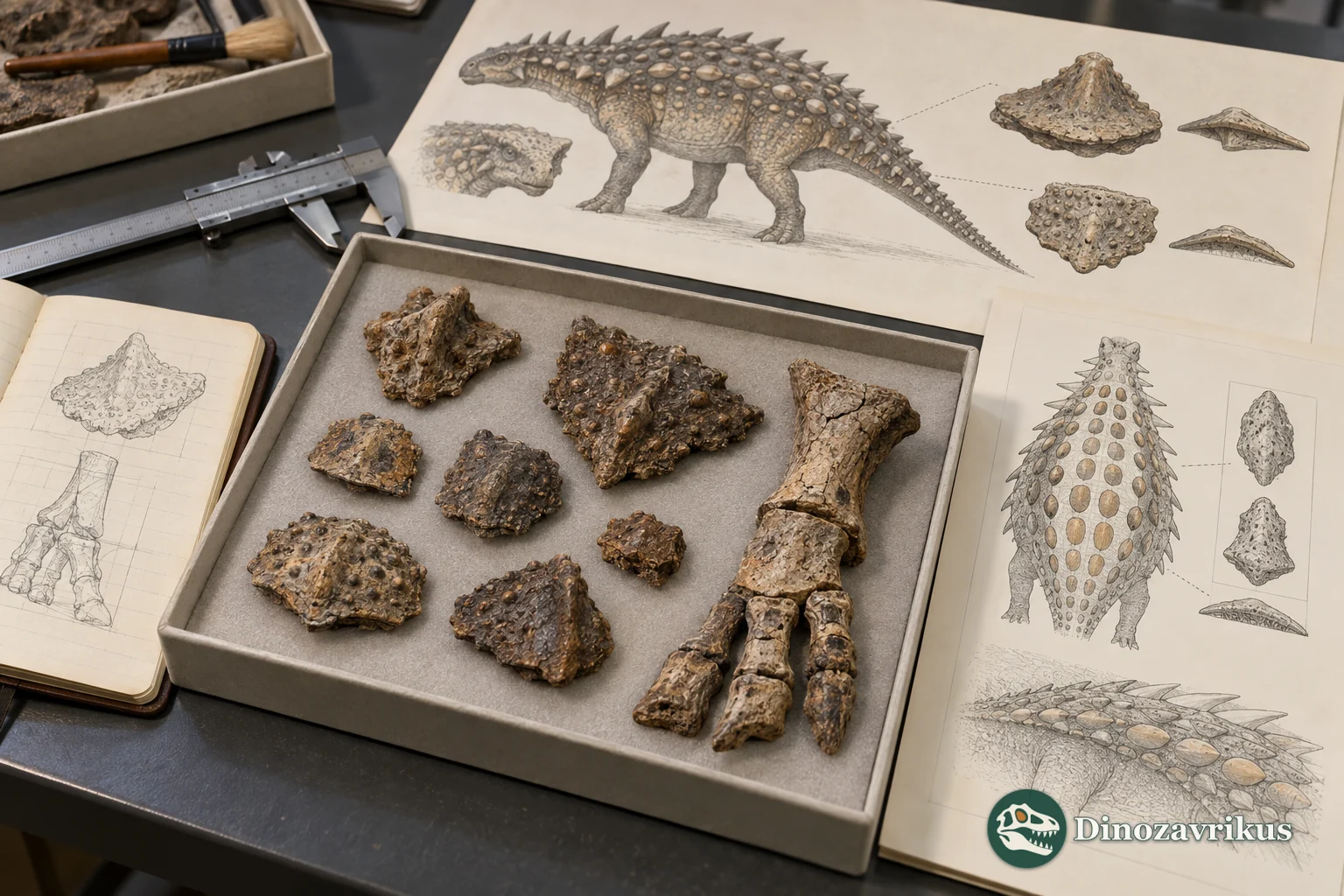
Armour and associated remains
Armadillo carapaces are built from many separate osteoderms. Depending on their position, plates may be fixed, movable or intermediate in mobility. Their surface features can aid identification, but vary along the carapace and with growth. A series is therefore more informative than an isolated plate.
A 2022 study described U. buccatus material from the Guabirotuba Formation in the Curitiba Basin of southern Brazil. Specimen MCN.P.1231 represents one individual and includes numerous osteoderms together with incomplete postcranial bones. The authors based the species identification on the plates because they preserve the diagnostic carapace characters.
The study described semi-movable osteoderms for the first time in this species. Their morphology led the authors to infer some kind of pectoral buckler in front of the main movable bands. That is an anatomical inference from plate form and position, not a preserved soft-tissue outline.
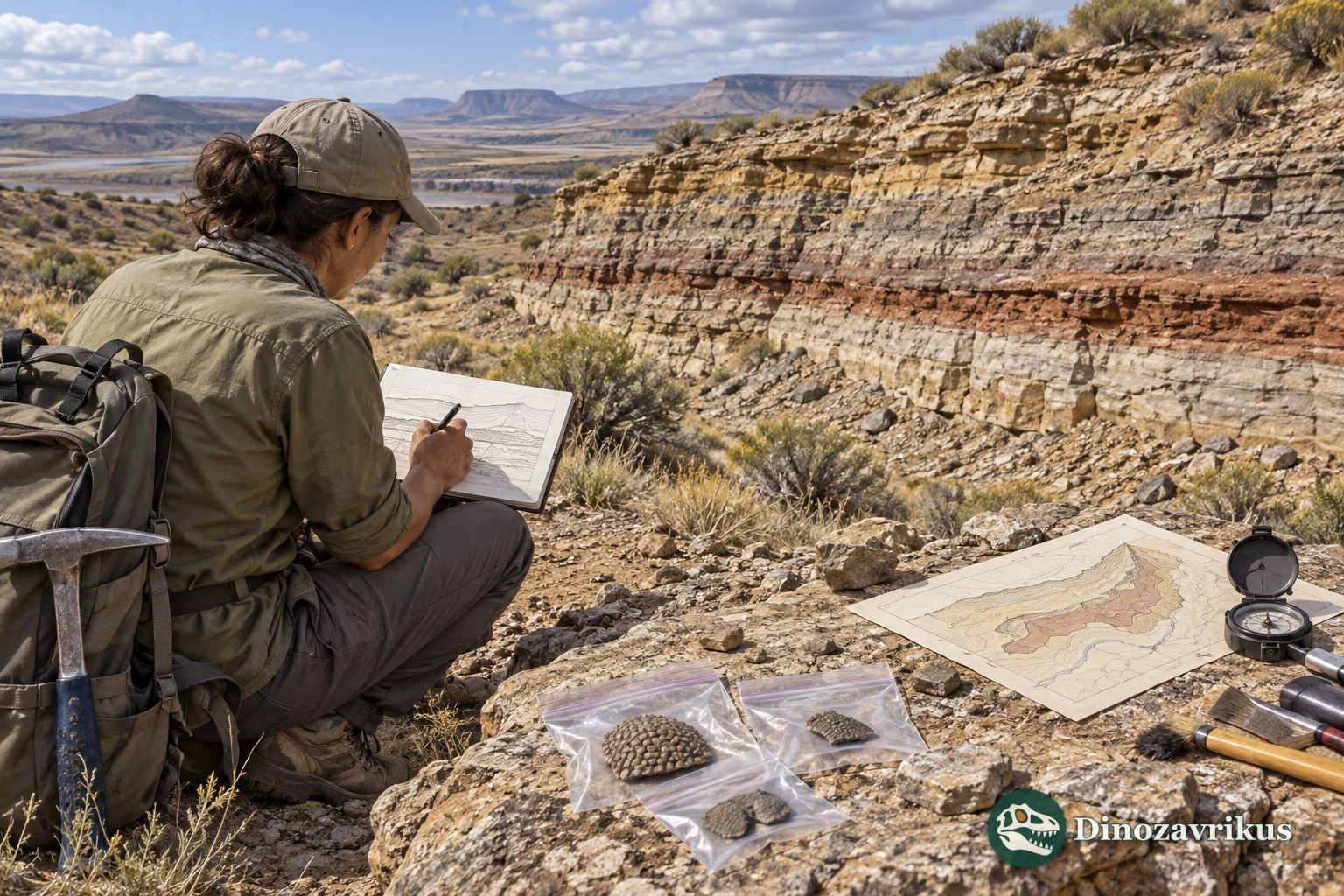
Geographic range and age
The genus was first recorded in Patagonian deposits, especially Gran Barranca. Later reports extended its range to northwestern Argentina, including Cerro Tin and El Simbolar. The Guabirotuba material expanded the known range of U. buccatus into southern Brazil.
These records come from different stratigraphic units and local faunas. They share an Eocene age, but should not be assigned one identical date. It is also important to distinguish a species-level record of U. buccatus from fossils identified only as Utaetus sp.
Classification and limits
Utaetus has often been placed in Utaetini among euphractine armadillos. The boundaries of that group and the position of early members have shifted in morphological analyses. Enamel on the cheek teeth and some skeletal traits have figured in arguments about relationships, but their weight depends on the taxa and characters included in each analysis. The genus is securely a cingulate; its finer placement remains debated.
Osteoderms directly record the construction and variation of the armour. They do not by themselves show how often the animal curled up, what it ate or how quickly it moved. The cover is an artistic reconstruction of a small armored mammal. Its coat, colour and precise soft-tissue proportions are not preserved.
Frequently asked questions
When did Utaetus live?
Utaetus fossils come from Eocene deposits in South America. Individual records belong to different regional faunas, so one exact date does not apply to the whole genus.
What fossils are known?
Osteoderms make up most of the evidence. Some specimens also include isolated limb bones and other incomplete parts of the postcranial skeleton.
Why was Simpson’s neotype reassessed?
A 2008 revision showed that Ameghino’s original type material still exists. The surviving primary type remains the nomenclatural reference rather than being replaced by Simpson’s later specimen.
Where was Utaetus buccatus found outside Patagonia?
A specimen from the Guabirotuba Formation in southern Brazil was identified as U. buccatus. Other extra-Patagonian material may remain at genus level and need not represent the same species.