

Valgipes bucklandi was a Pleistocene South American ground sloth. Its best studied remains include skulls and limb bones from Brazil. A fused lower leg reported from Uruguay expanded the known geographic record. Teeth and one isotope study inform diet, while the coat and posture shown on the cover are artistic reconstruction.
Earlier names and assignments were revised by comparing several parts of the skeleton, not by observing a living animal.
Quick facts
| Group | Scelidotheriine ground sloth |
|---|---|
| Species | Valgipes bucklandi |
| Time | Pleistocene |
| Fossil regions | Brazil and southern Uruguay |
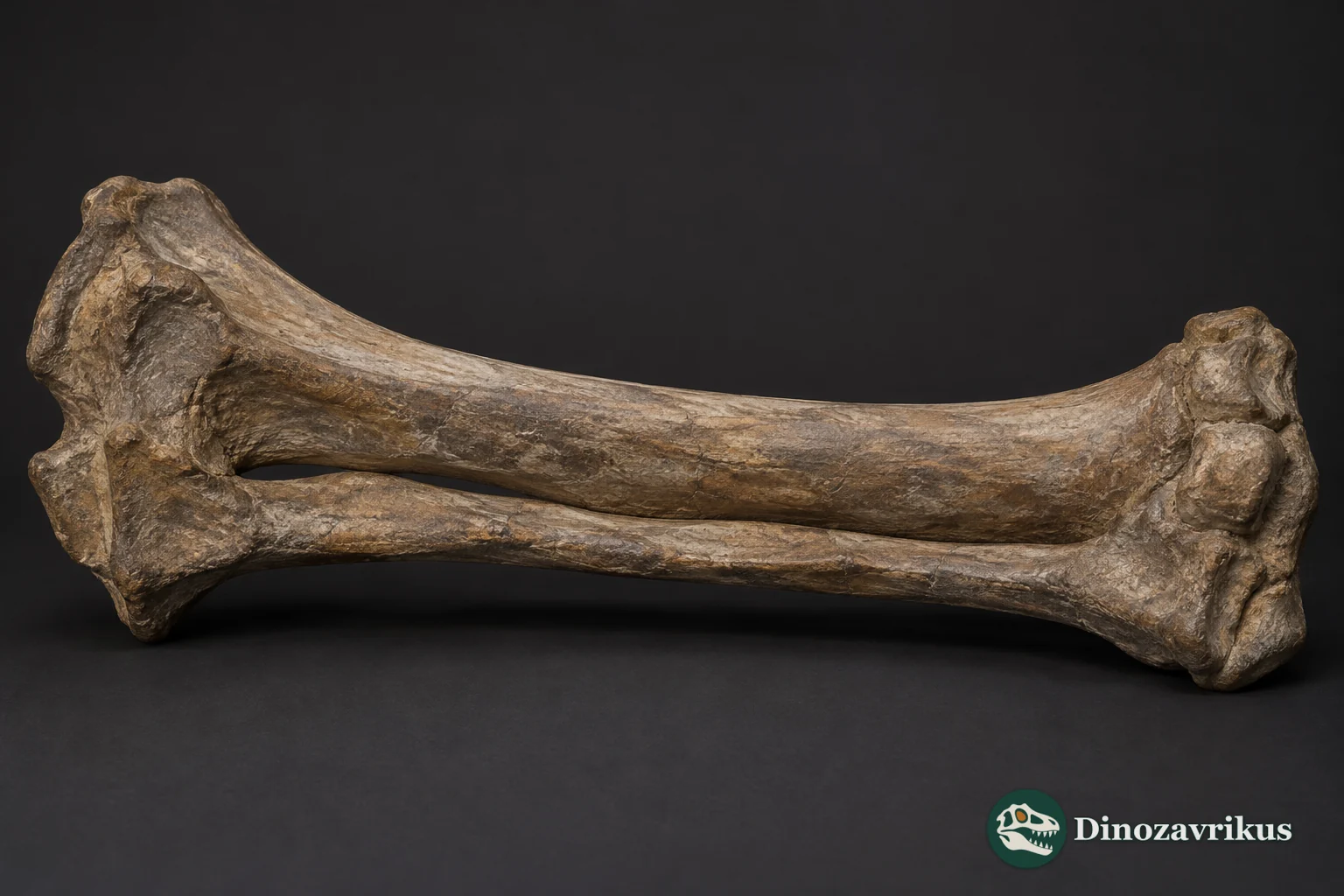
| Diagnostic material | Skulls and adult fused tibia-fibula |
| Diet evidence | Teeth and a carbon isotope sample from Brazil |
What can the fossils tell us?
The tibia and fibula are joined at both ends in adult Valgipes. Identification still requires comparisons with other scelidotheriines and attention to age and preservation.
A Rio Grande do Norte specimen gave a carbon isotope value consistent with browsing in relatively closed vegetation. It cannot define every population's seasonal diet.
A fused tibia-fibula from Arroyo del Vizcaíno was assigned to V. bucklandi, extending its documented presence far beyond the Brazilian records.
A revised name among scelidotheriines
Brazilian material had been described under different combinations before comparative anatomical work united the relevant finds as Valgipes bucklandi. A taxonomic revision reorganizes the interpretation of known fossils; it does not create a new fossil at the moment of renaming.
Skulls, teeth and limbs are compared with those of Catonyx and Scelidotherium. Similar long muzzles alone are insufficient to identify an isolated fragment. Fur thickness in an illustration is not a character preserved by these bones.
The unusually fused lower leg
In mature Valgipes the tibia and fibula are fused proximally and distally. This anatomy helps distinguish the species when combined with other traits. Age, surface damage and post-burial distortion matter when assigning an isolated bone. Fusion by itself does not measure running speed.
Researchers assigned a fused tibia-fibula from Arroyo del Vizcaíno in Canelones, Uruguay, to V. bucklandi. The fossil site has an approximate age near 30,000 years ago. Previously secure records were concentrated in Brazil. The Uruguay specimen shows a wider documented range, not the travel route of an individual animal.
Food and the history of a carcass
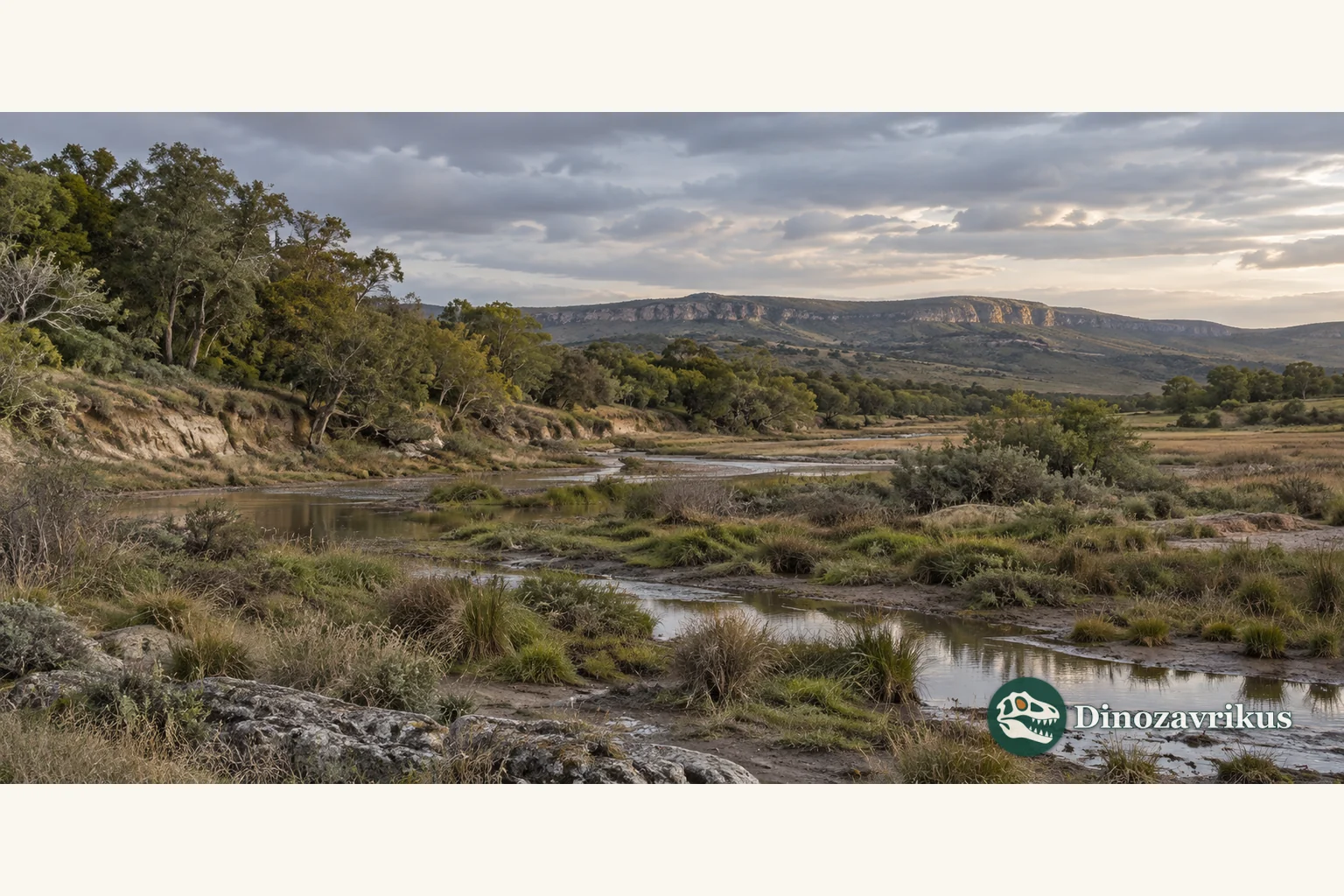
A Rio Grande do Norte occurrence provided both taphonomic observations and a measured carbon isotope value. Its isotope signal was interpreted as consistent with browsing on woody plants in a relatively closed setting. One sample does not establish an unchanging diet across Brazil and Uruguay.
Exposure in a hot and dry setting was proposed to explain aspects of the Brazilian fossil's preservation. Taphonomy describes what happened to remains after death, not direct observation of a living animal. The deposits are part of the Quaternary, but separate sites do not share one date.
Questions the fossils leave open
Some skulls differ in crest development. Possible sexual dimorphism has been discussed, but age, size and individual variation must also be weighed. A CT study found enlargement of the sella turcica in one skull and interpreted it as possible pituitary pathology. That diagnosis concerns one individual, not a typical feature of the species.
The fossils do not preserve the animal's voice, complete food list or detailed coat color. A find in Uruguay also cannot establish whether the population expanded south once or repeatedly.
Frequently asked questions
Where did Valgipes live?
Fossils have been reported from Brazil and the late Pleistocene Arroyo del Vizcaíno site in southern Uruguay.
Why is its lower leg important?
In adults the tibia and fibula are fused at both ends. With other characters this helps identify the animal.
What did Valgipes eat?
Its teeth indicate herbivory, and one Brazilian isotope sample is consistent with browsing on woody plants.
Do fossils show its fur color?
No. The coat and exact color on the cover are artistic interpretations, not preserved tissue.